STEAM
STEAM at CIS: Learning in a real-world context
An Interdisciplinary Approach for Curious, Future-Ready Learners
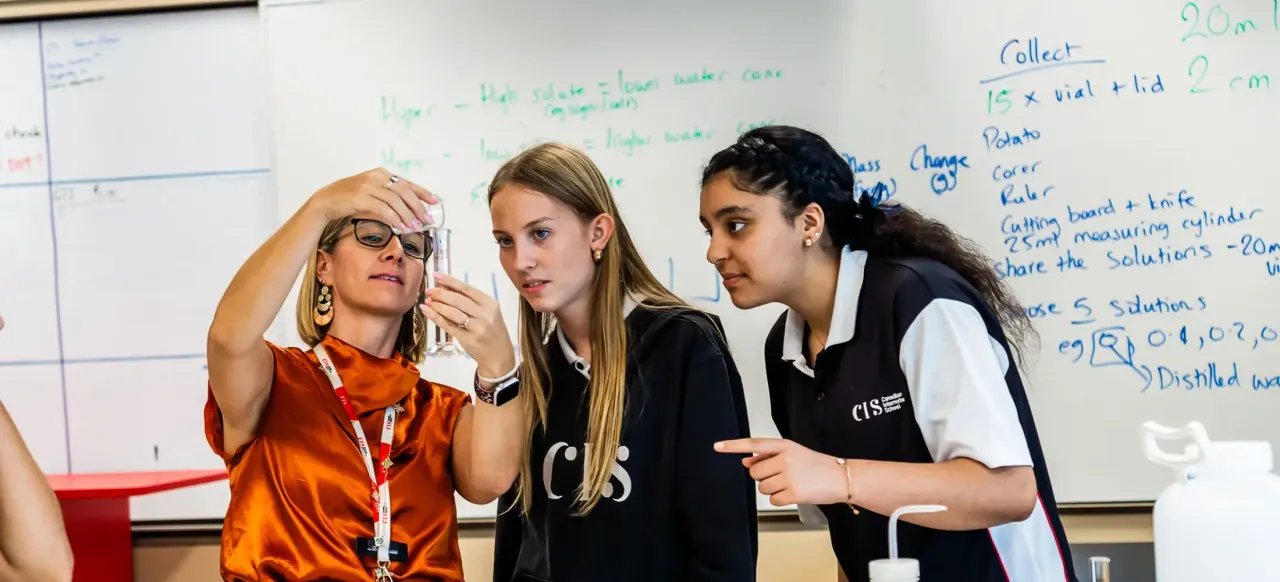
STEAM at CIS is an immersive, interdisciplinary approach that brings science, technology, environmental studies, arts and mathematics together as connected, real-world learning experiences. Unlike traditional subject silos, STEAM nurtures students’ curiosity, creativity, critical thinking and problem-solving, helping them understand how disciplines intersect in meaningful, authentic ways.
Our approach ensures students become motivated, informed decision-makers who can analyse challenges, design solutions and positively impact the world around them.
About STEAM at CIS
At CIS, STEAM is not just a programme — it’s a mindset. Embedded across the Primary Years Programme (PYP) and integrated throughout student learning, STEAM encourages inquiry, experimentation and innovation.
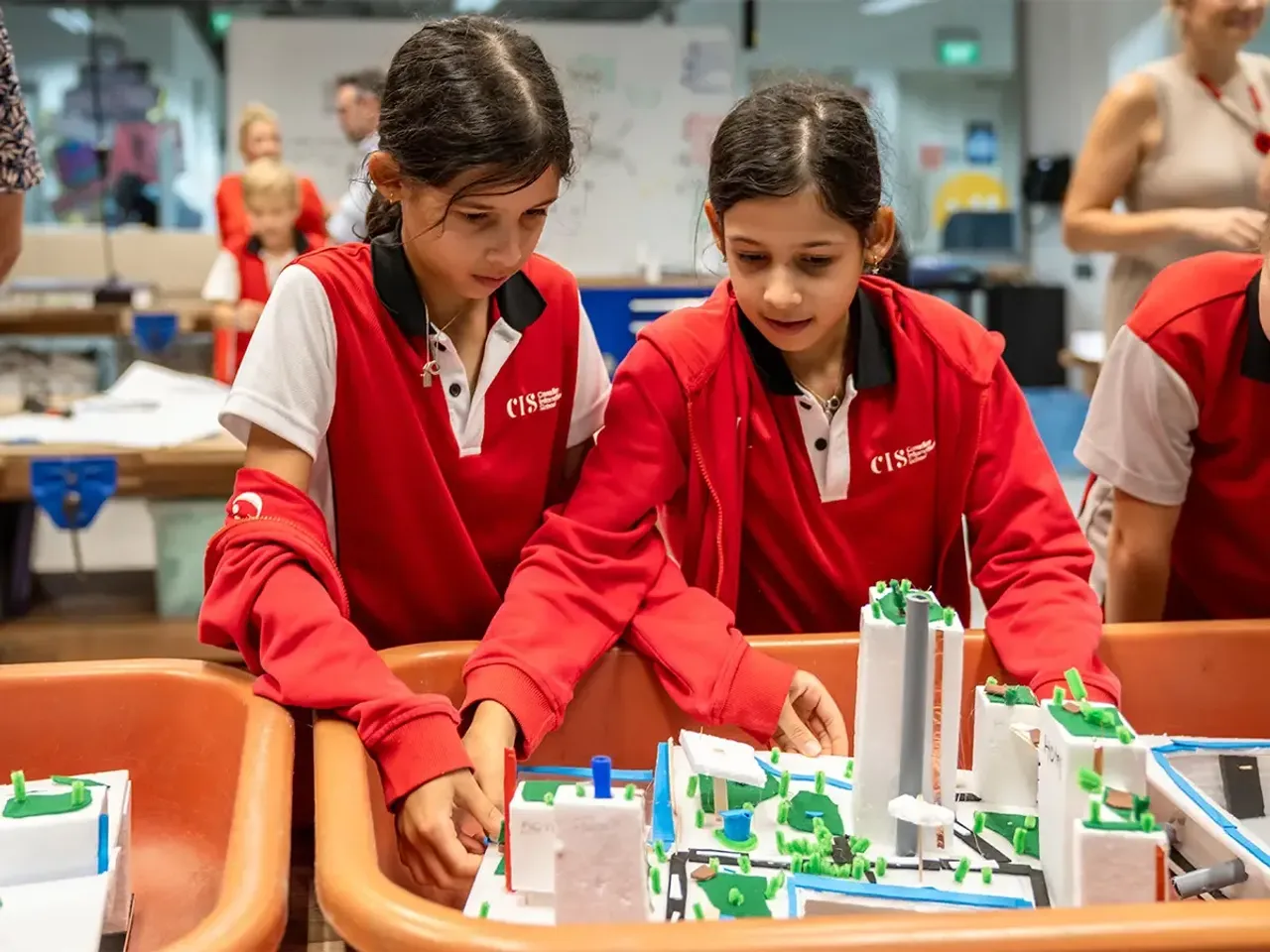
Students engage in:
- Hands-on problem-solving
- Design and making cycles
- Real-world challenges linked to sustainability, engineering and technology
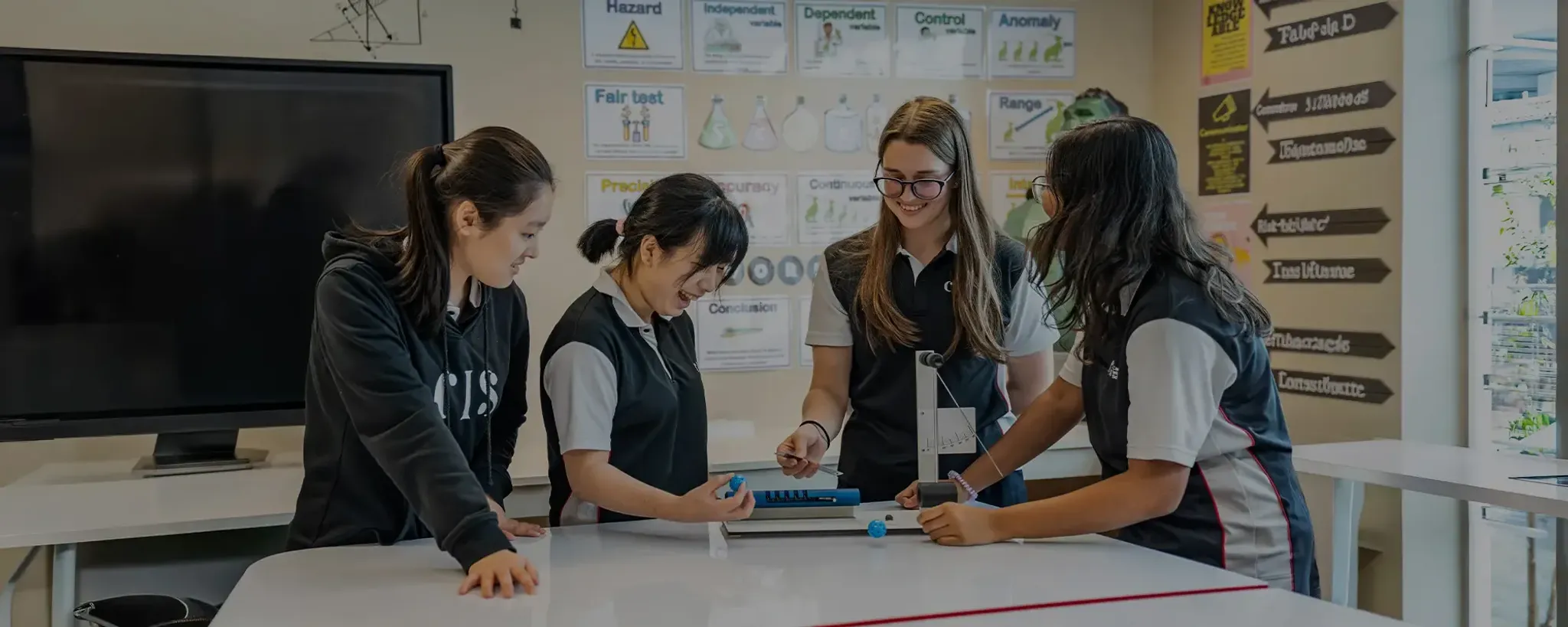
- Collaboration and communication within student-led teams
Authentic, real-world problem-solving
STEAM challenges at CIS are grounded in real issues that matter to students, the community and the broader world. Students may explore:
- Sustainable water systems
- Energy efficiency and green design
- Engineering solutions using repurposed or reimagined materials
- Technology rich prototypes that solve real needs
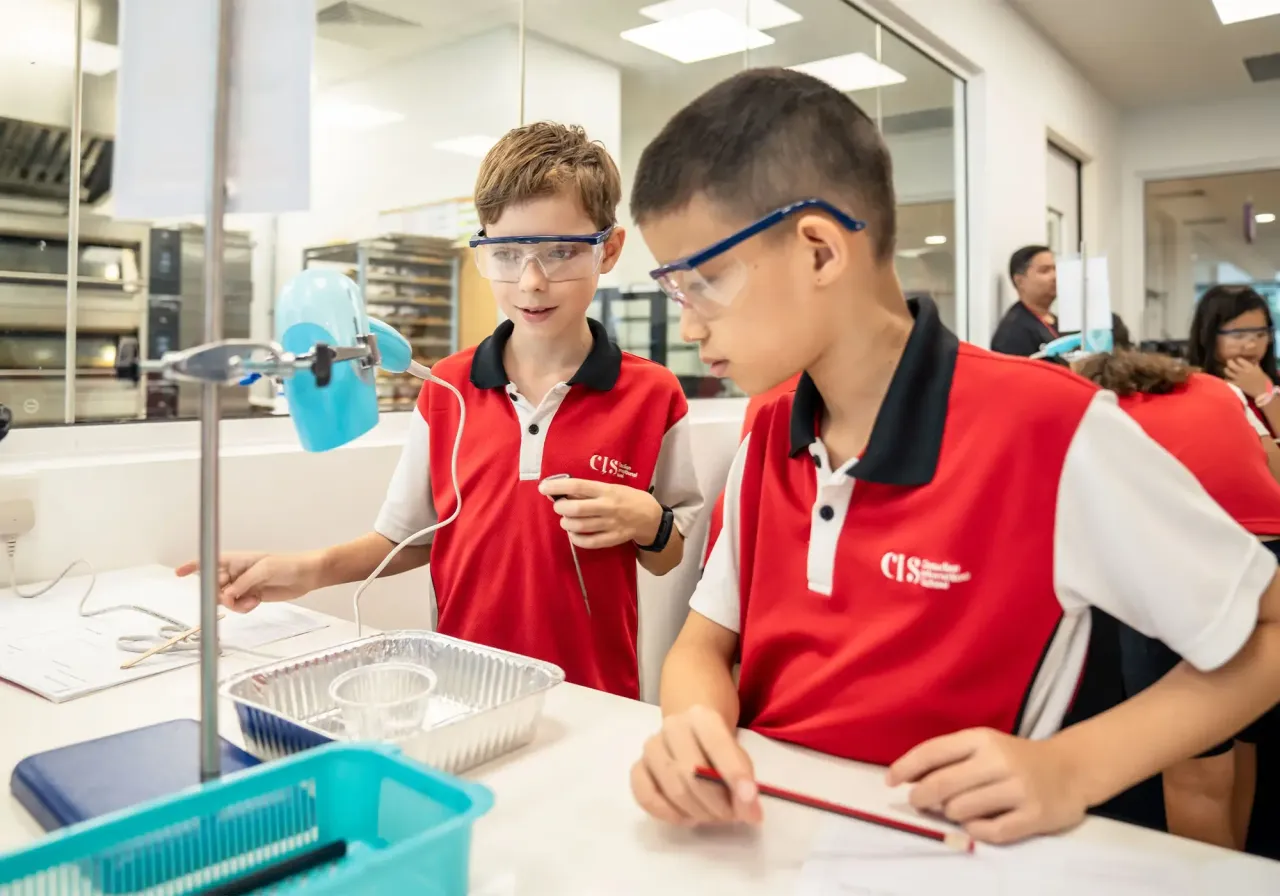
Inquiry-driven learning allows students to design, test, refine and reflect, building resilience and confidence as they iterate and improve their ideas.
Future-ready skills through STEAM
STEAM at CIS equips students with the competencies needed for the future of work and learning. Students develop:
- Collaboration and teamwork
- Creative and critical thinking
- Systems thinking and resilience
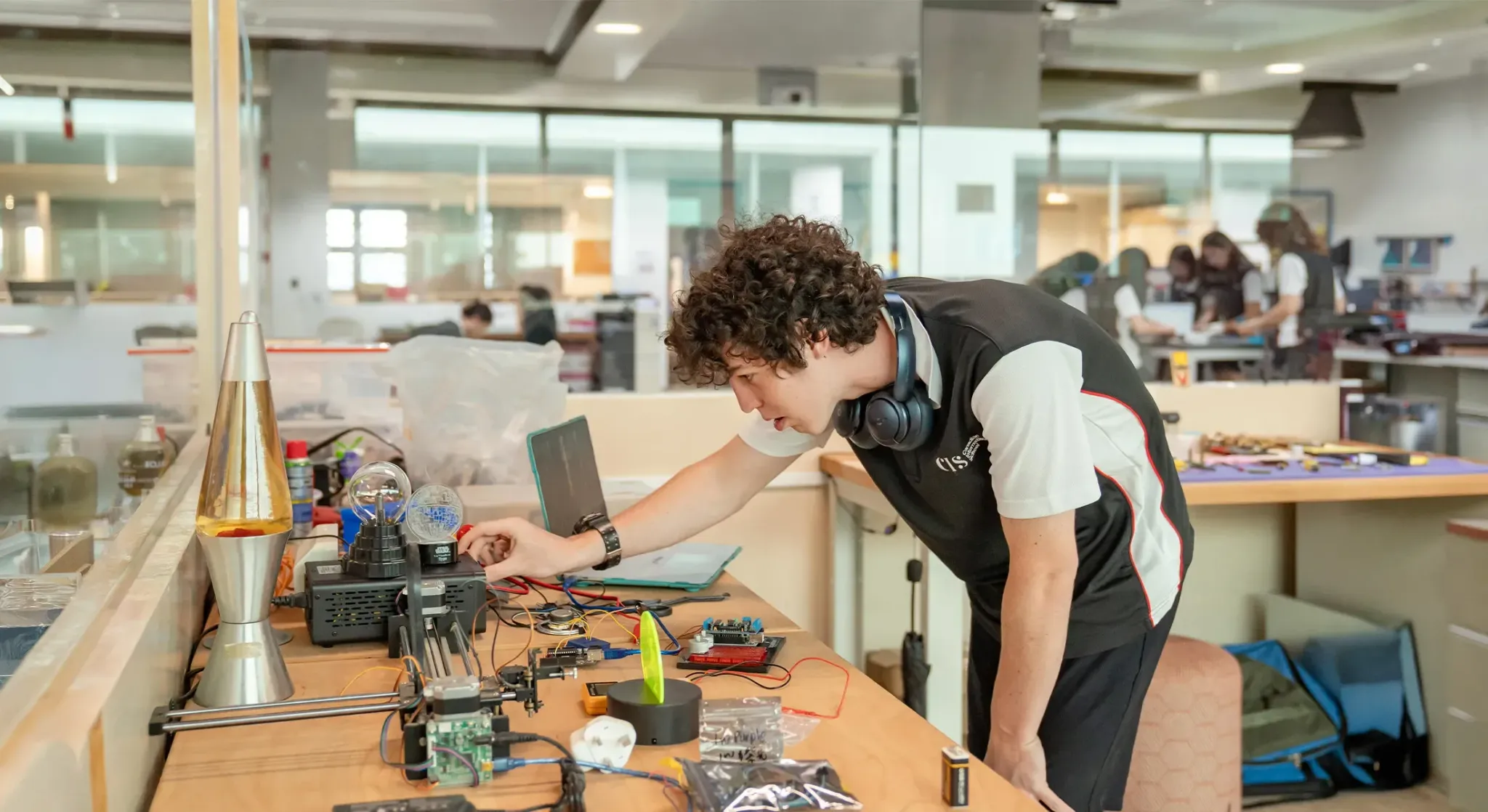
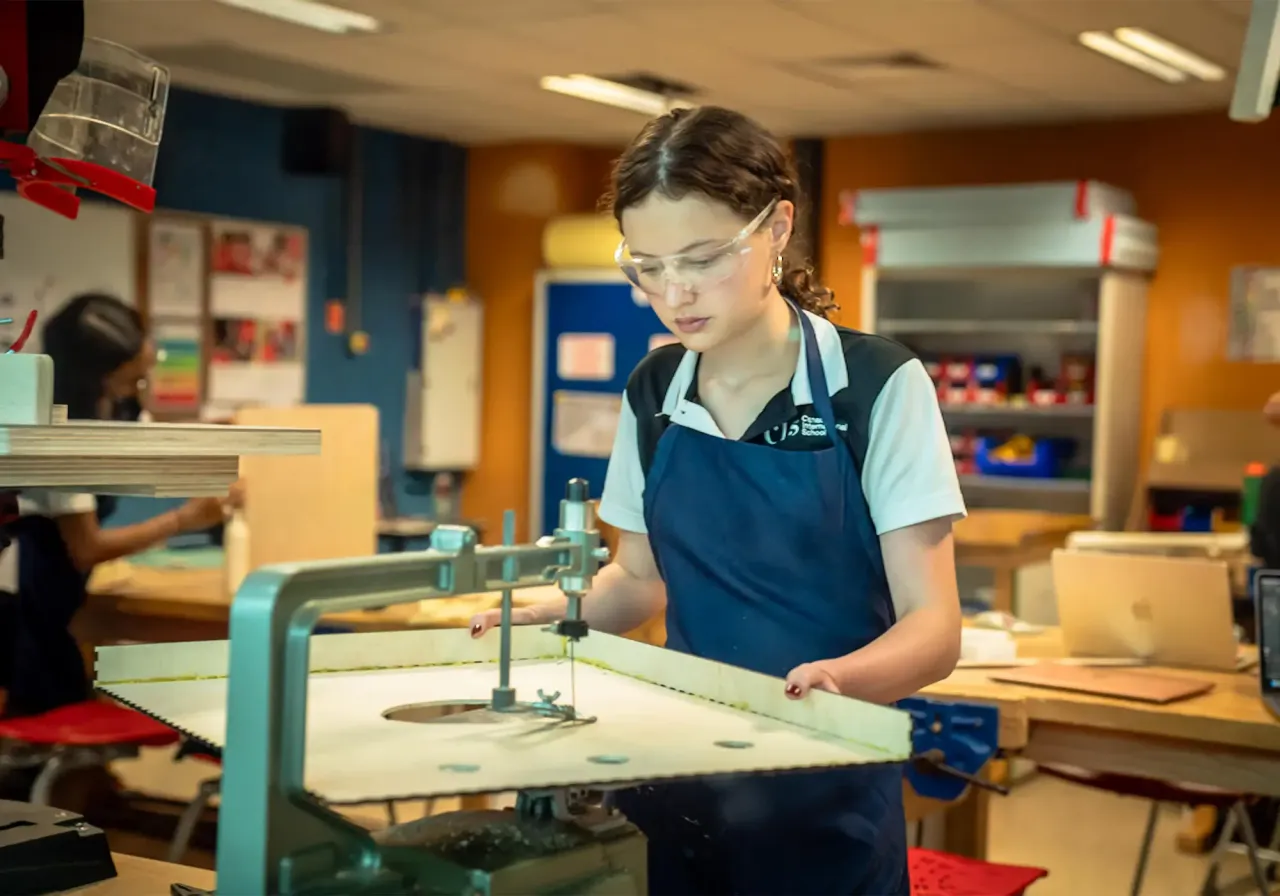
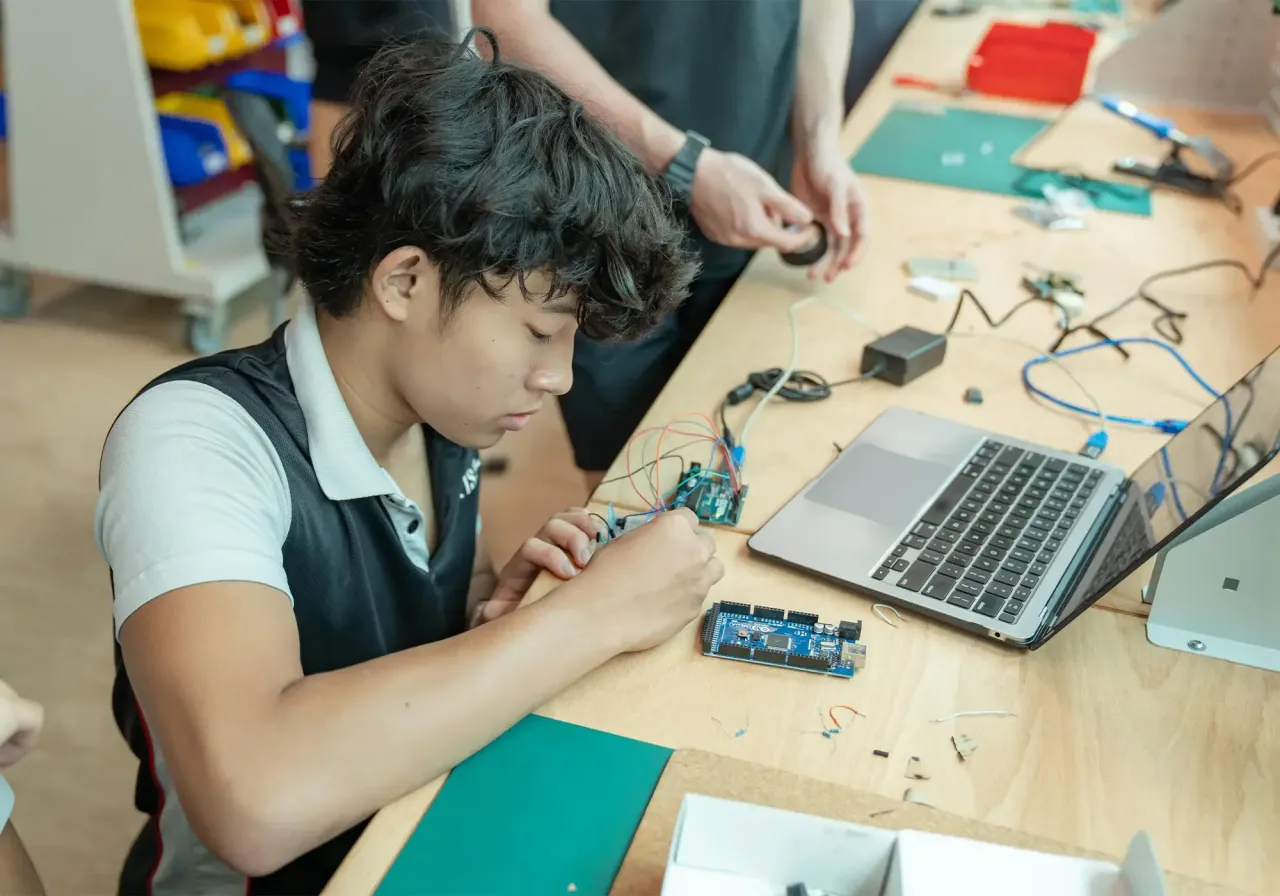
- Technical tool skills, from safe cutting and joining to precision detailing
- Digital literacy through coding, robotics and design software
These skills prepare students for future pathways in engineering, design, technology, environmental science, digital media and more.
Our STEAM hubs
Makerspace: A hub of creativity and innovation
Our Makerspace is a vibrant, flexible environment where students explore materials, tools and technologies that support hands-on, inquiry-driven learning. Part lab, part workshop and part collaborative design studio, it supports activities such as:
- Textile design
- Engineering and construction
- Woodworking
- 3D printing (MakerBot)
- Laser engraving and cutting (GCC)
- Newspaper Styxx engineering
Students learn through experimentation, collaboration and iteration — turning ideas into prototypes and prototypes into polished creations.
Robotics hub: Coding, building and engineering for the future
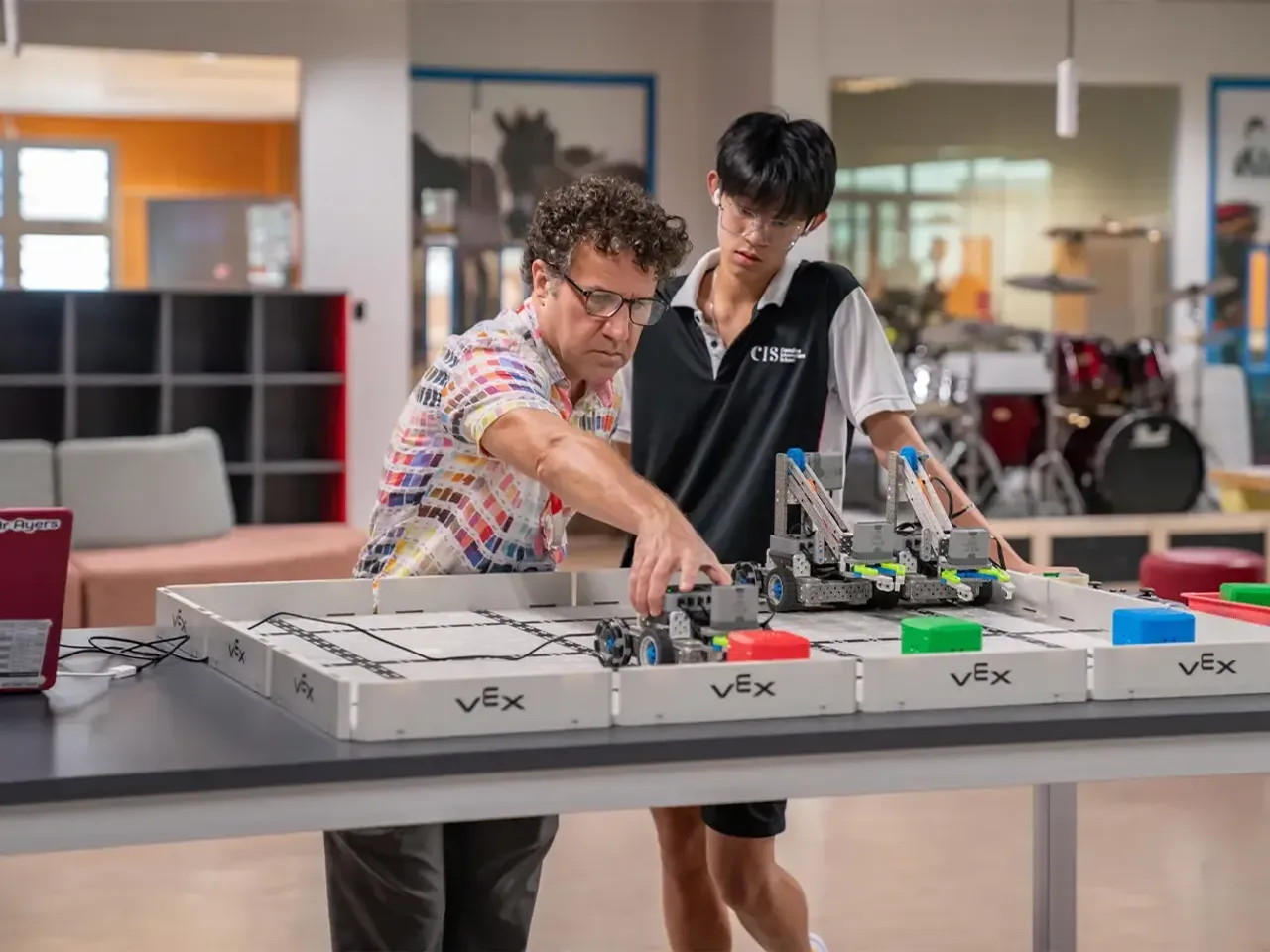
The CIS Robotics Hub is equipped with platforms such as LEGO Spike, WeDo, Ozobots and VEX IQ. Students:
- Build and programme robots
- Collaborate to solve engineering challenges
- Participate in competitions
- Engage in cross-divisional learning experiences
Robotics enriches computational thinking and strengthens students’ ability to design, code and iterate in a team-based environment.
A culture of inquiry, design & making
Across Kindergarten to Secondary School, STEAM at CIS encourages students to think critically, creatively and experimentally in a safe, supportive environment. Even when ideas fail the first time, students learn to try again, refine their approach and grow in confidence.
Our STEAM ecosystem — Makerspace, Robotics Hub, inquiry-led classrooms and collaborative projects — empowers students to understand the world and shape it with imagination, innovation and purpose.
Parent and student testimonials
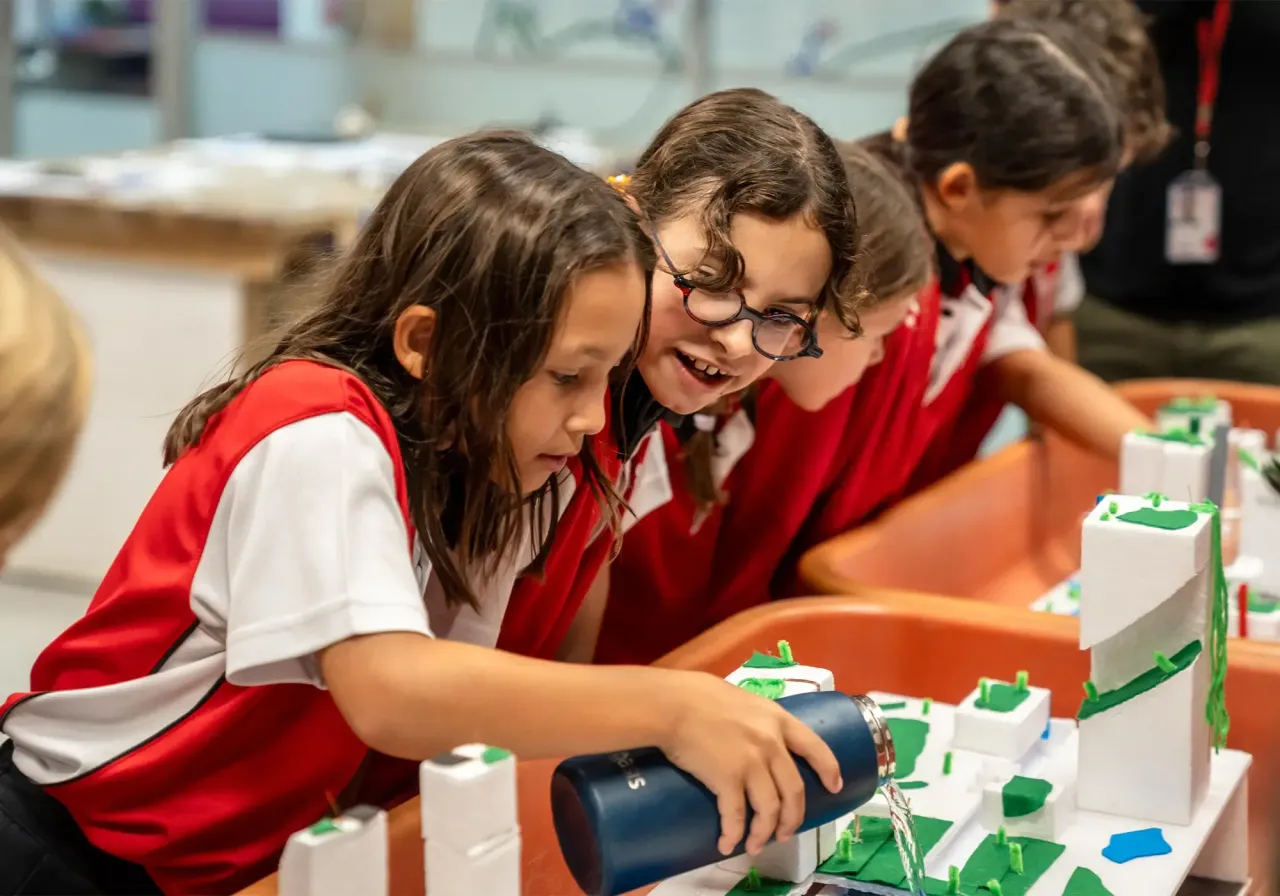
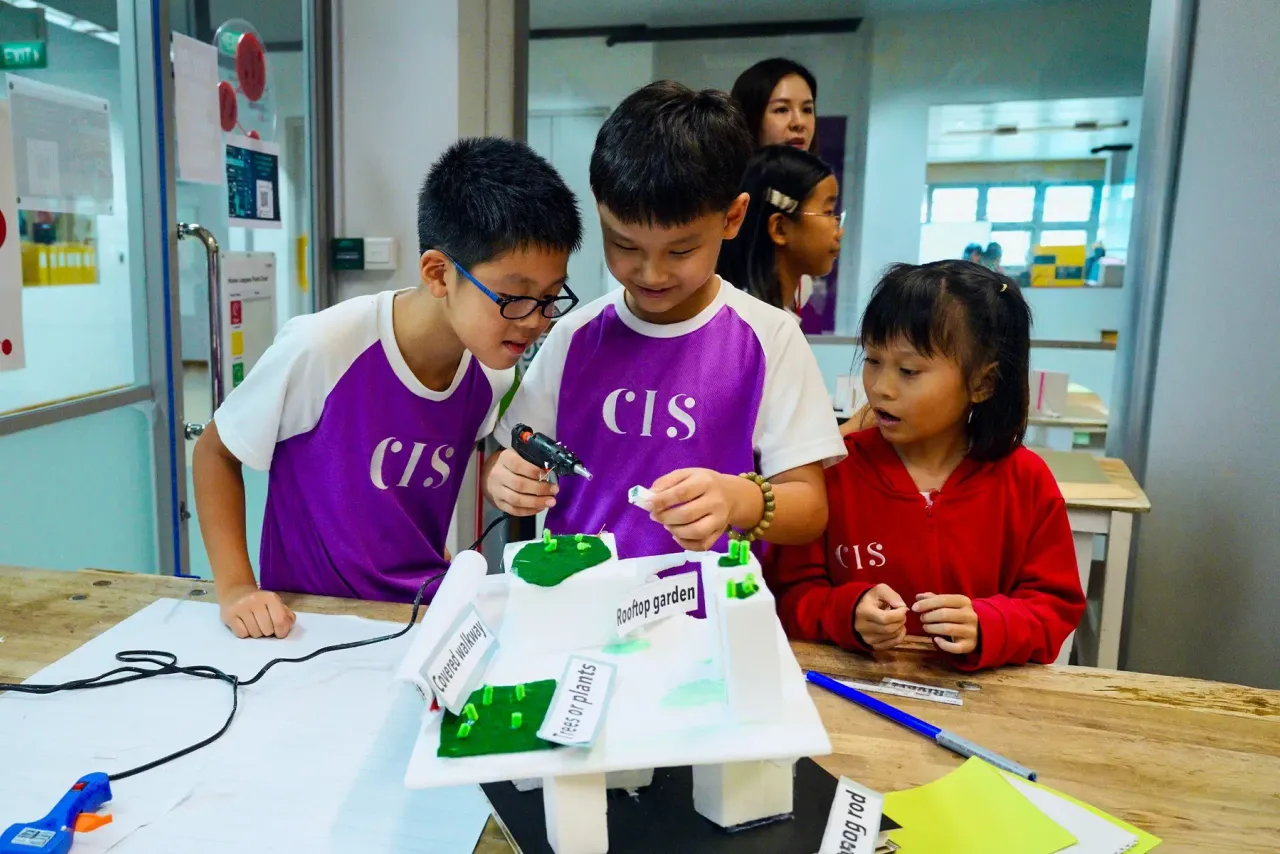
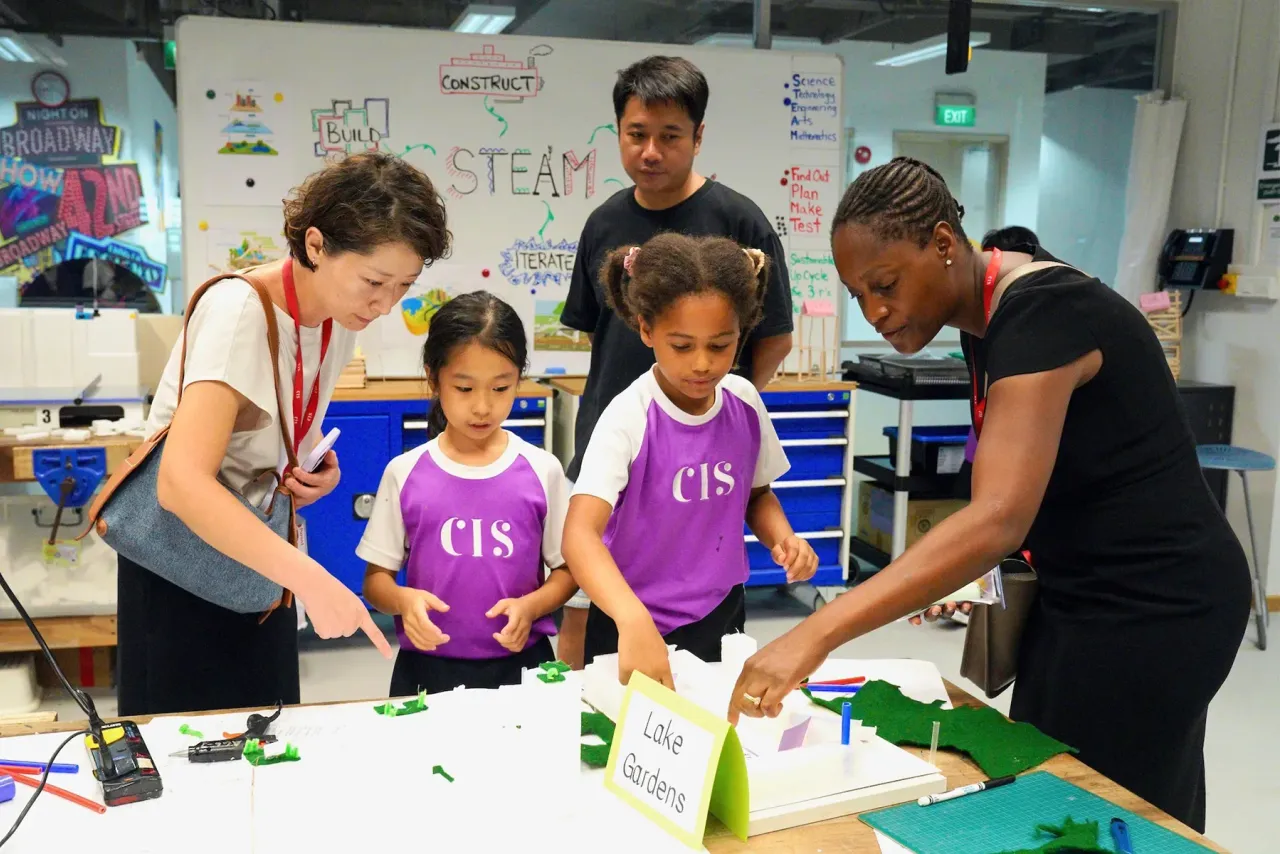
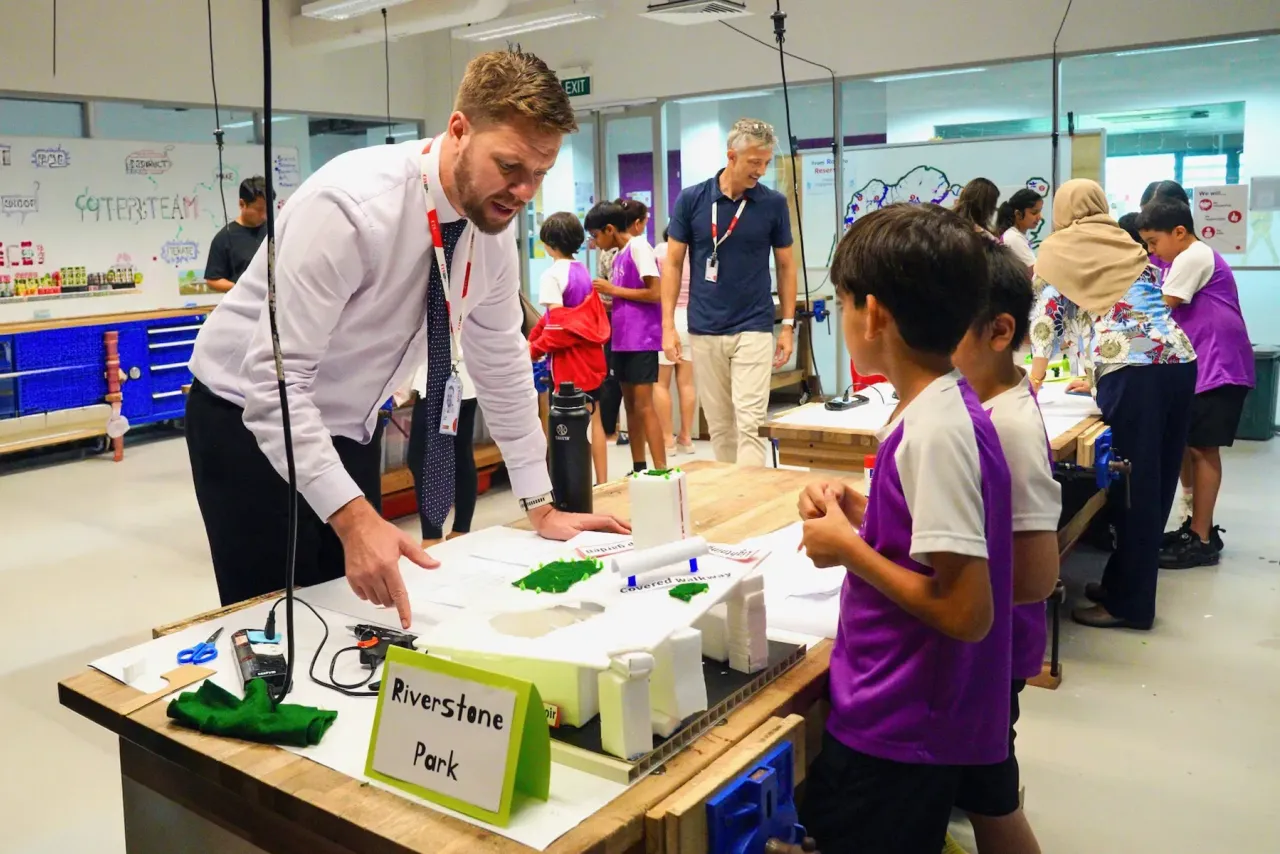
“I enjoyed making sustainable communities that can handle floods. It was exciting to see how our ideas could solve real problems.”
“The tool boot camp was my favourite part. I loved learning how to safely use new materials and tools like styrofoam and pipes.”
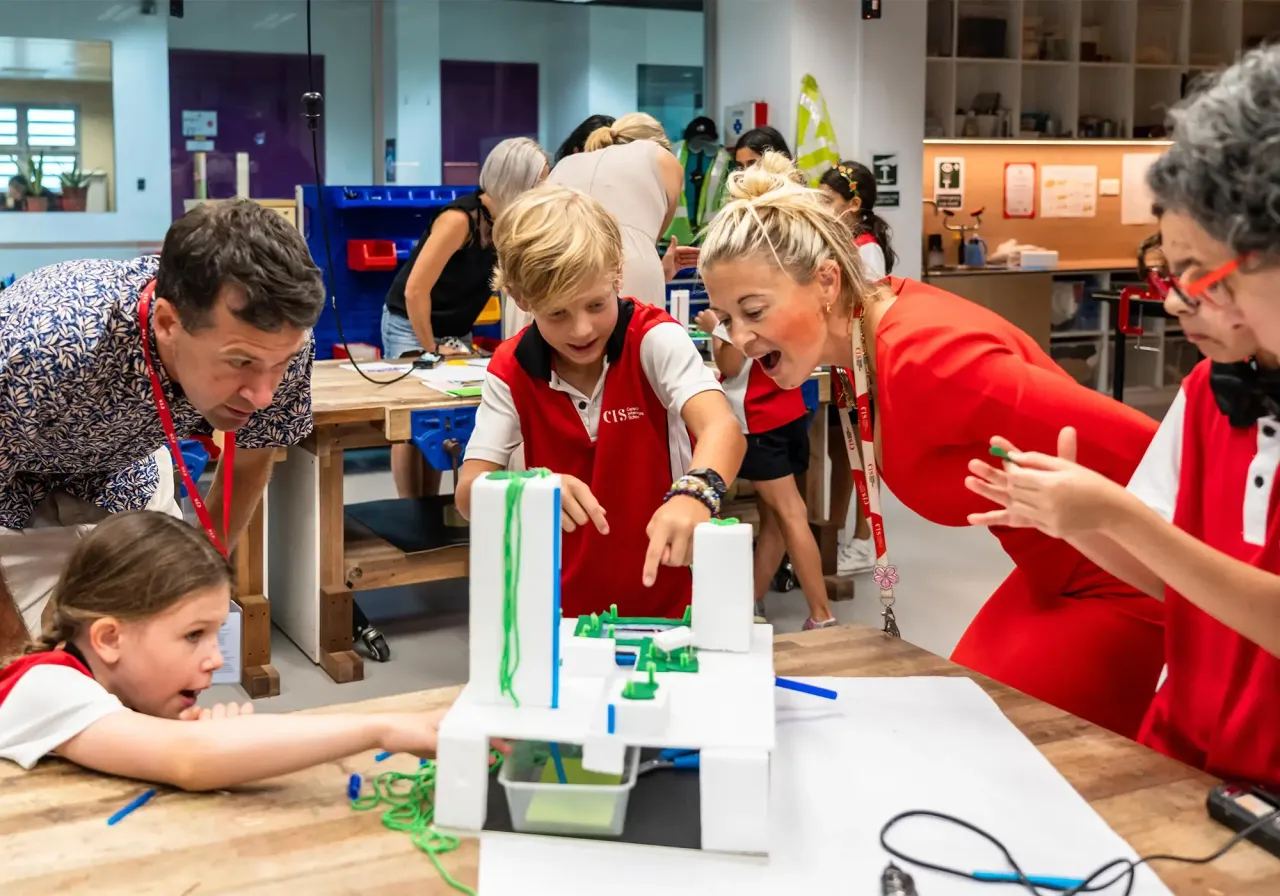
“I enjoyed working with my teammates to build a city block that could minimise flooding.”
“I liked trying new things. This year I got to use drills and pipes to build!”
Student from Grade 4 unit
STEAM FAQs
What is STEAM learning at CIS?
STEAM at CIS is an interdisciplinary learning approach that integrates science, technology, environmental studies, arts and mathematics through hands-on, real-world problem-solving.
How is STEAM different from traditional subjects?
Unlike separate subject lessons, STEAM connects disciplines so students can understand how concepts relate, design solutions and think creatively across systems.
What facilities support STEAM at CIS?
CIS has a dedicated Makerspace and Robotics Hub equipped with robotics kits, coding tools, 3D printers, laser cutters, textiles and engineering equipment.
What skills do students develop through STEAM?
Students gain collaboration, creativity, resilience, systems thinking, coding, digital literacy, design skills and technical tool proficiency.
What robotics programmes are available at CIS?
Students work with LEGO Spike, WeDo, Ozobots and VEX IQ, building and programming robots while participating in challenges and competitions.
How does STEAM connect to real-world learning?
Students engage in projects linked to sustainability, engineering, innovation and community needs - allowing them to design meaningful, authentic solutions.
Is STEAM part of the Primary Years Programme (PYP) curriculum?
Yes. STEAM is embedded across the PYP and supports inquiry-based, hands-on learning for all year levels
How does CIS teach STEAM?
STEAM is taught through hands-on explorations, design challenges, collaborative projects and integrated units that link directly to the PYP curriculum. Students investigate problems, prototype ideas, test solutions and reflect on their learning.
How does STEAM prepare students for the future?
STEAM builds future-ready skills such as design thinking, innovation, engineering literacy, computational thinking and the ability to solve real-world challenges.
What does STEAM look like at different grade levels?
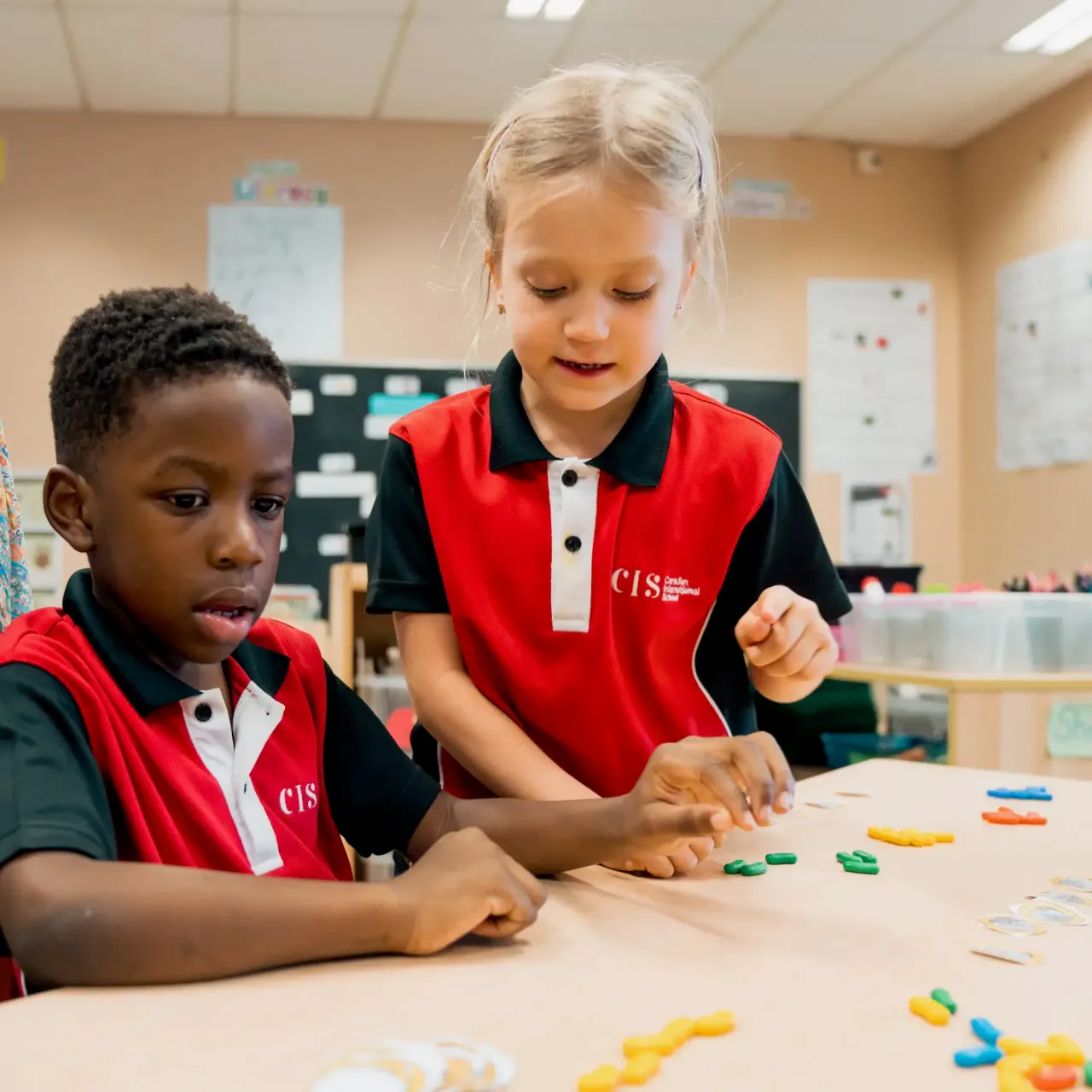
Younger students explore materials, coding foundations, and simple design tasks. As they move up the grades, projects become more complex — from textile engineering and 3D modelling to robotics, electronics, and sustainability-focused inventions.
How does CIS ensure safety during STEAM activities?
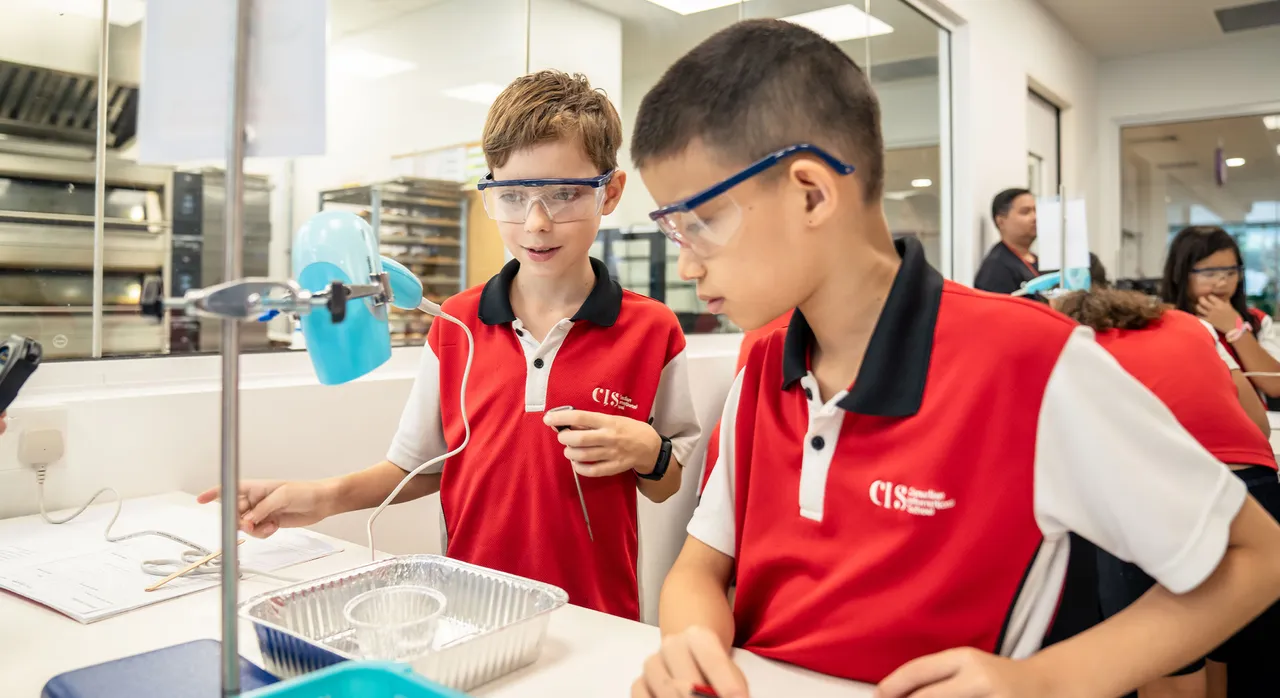
Students learn age-appropriate tool handling, safety routines and responsible making practices. All sessions are supervised by trained staff, and students progress gradually from simple tools to more advanced equipment.

Canadian International School