Secondary
CIS Secondary school (Grades 7–12)
A supportive, challenging and future-focused learning experience
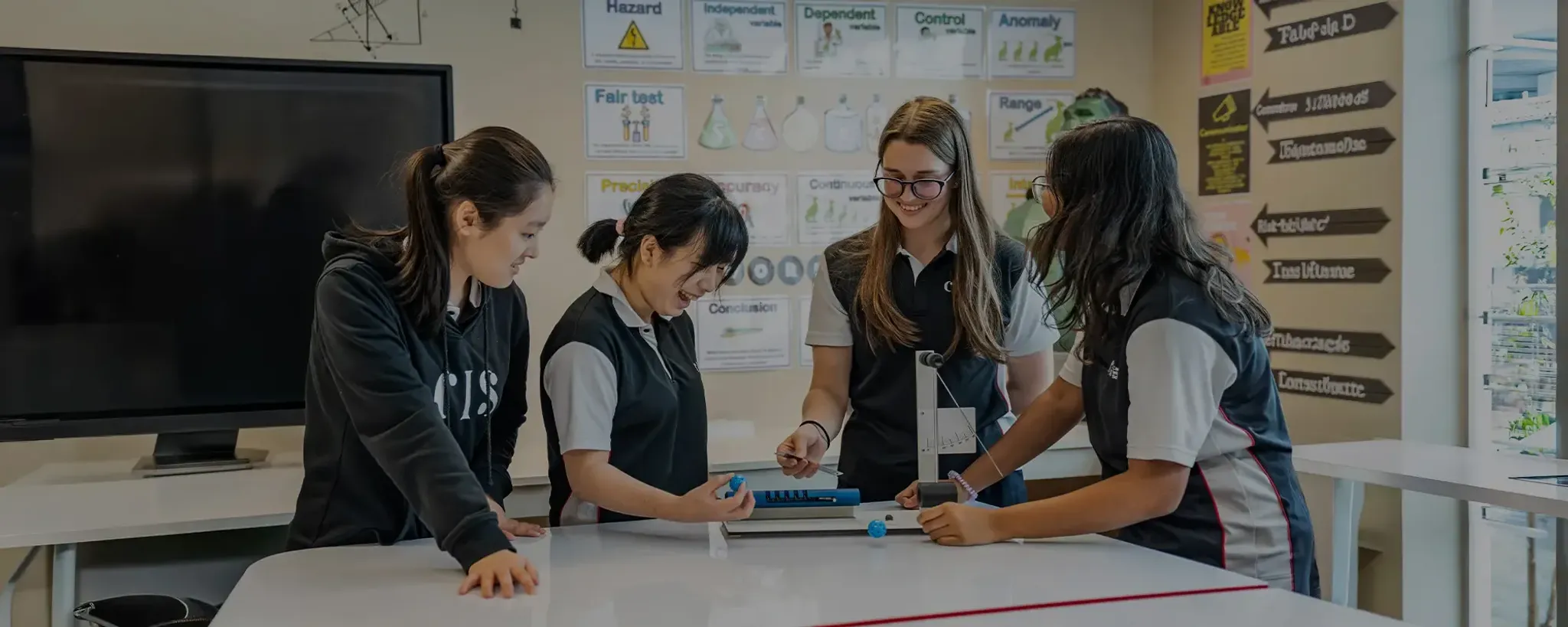
At CIS, our Secondary School is designed to help adolescents thrive academically, socially and personally. Students learn in a nurturing yet academically rigorous environment that builds confidence, independence and a genuine passion for learning.
Our programmes, the IB Middle Years Programme (MYP) leading to either the IB Diploma Programme (IBDP) or our Extended Pathway combine academic excellence with international mindedness, wellbeing and real-world relevance - preparing students for university success and life beyond school.
Why secondary at CIS?
A vibrant and caring community
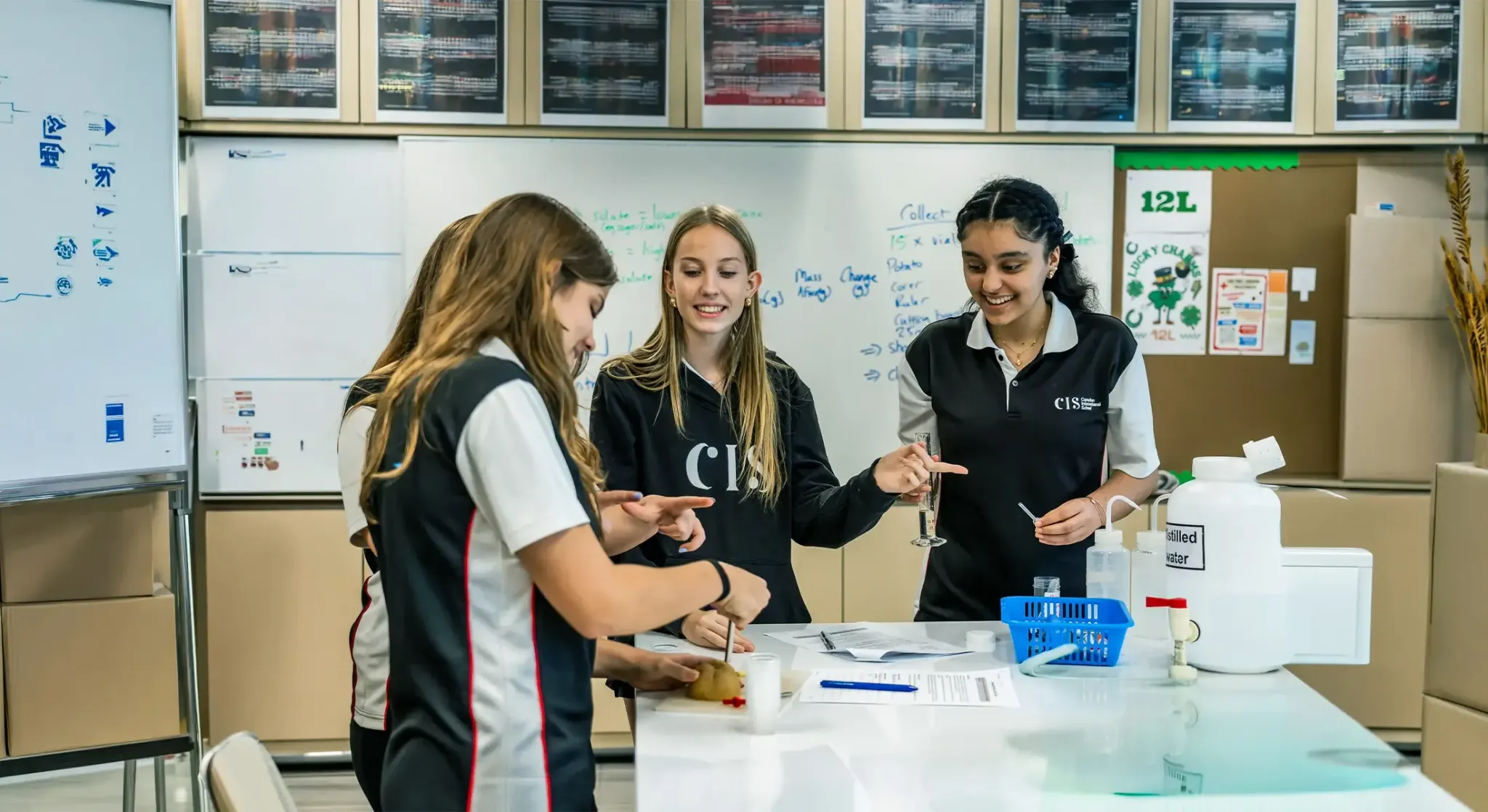
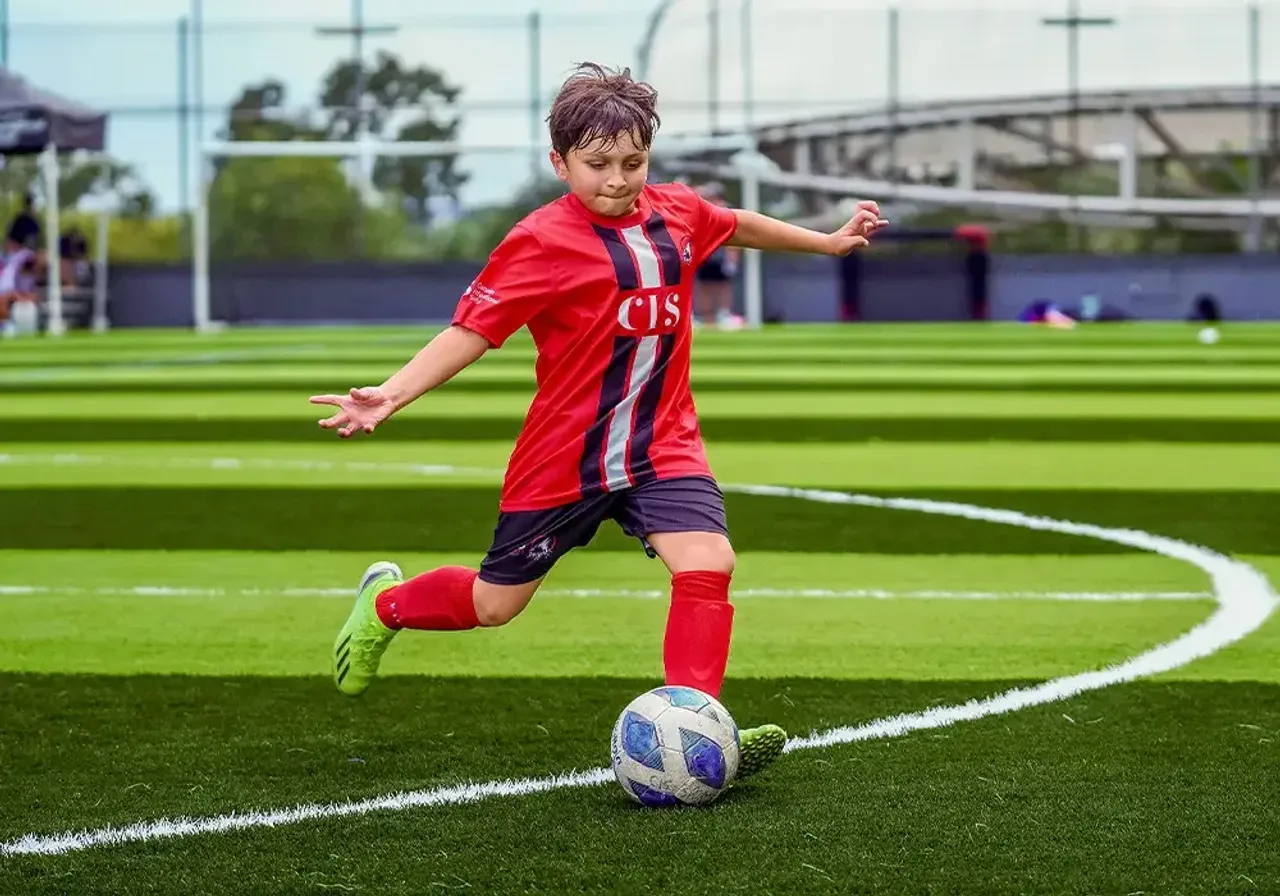
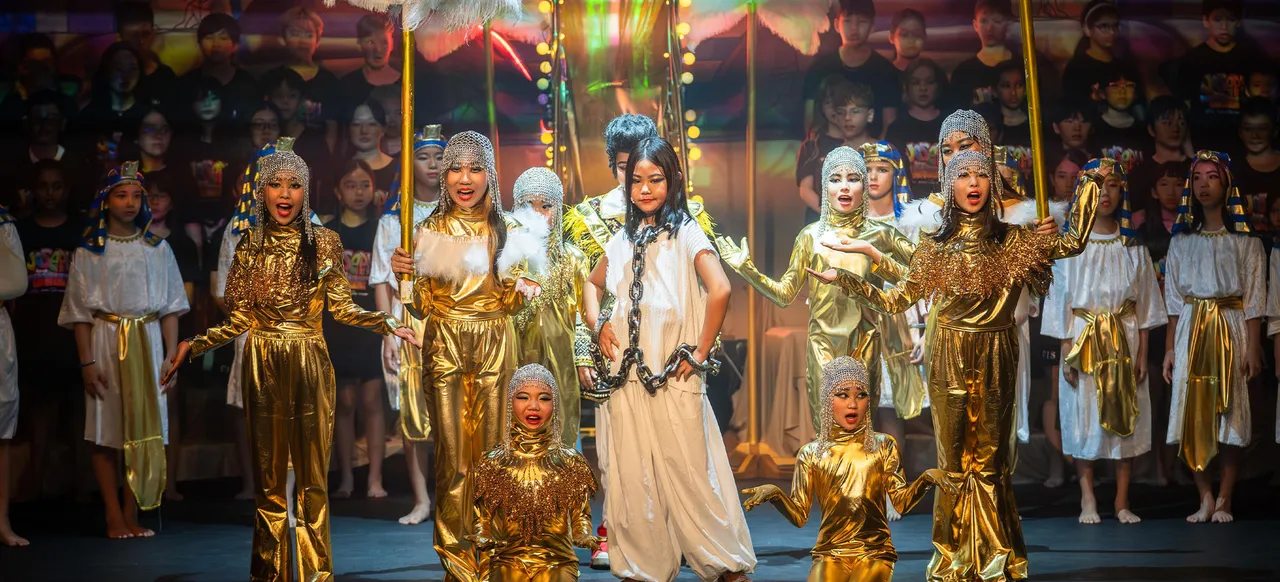
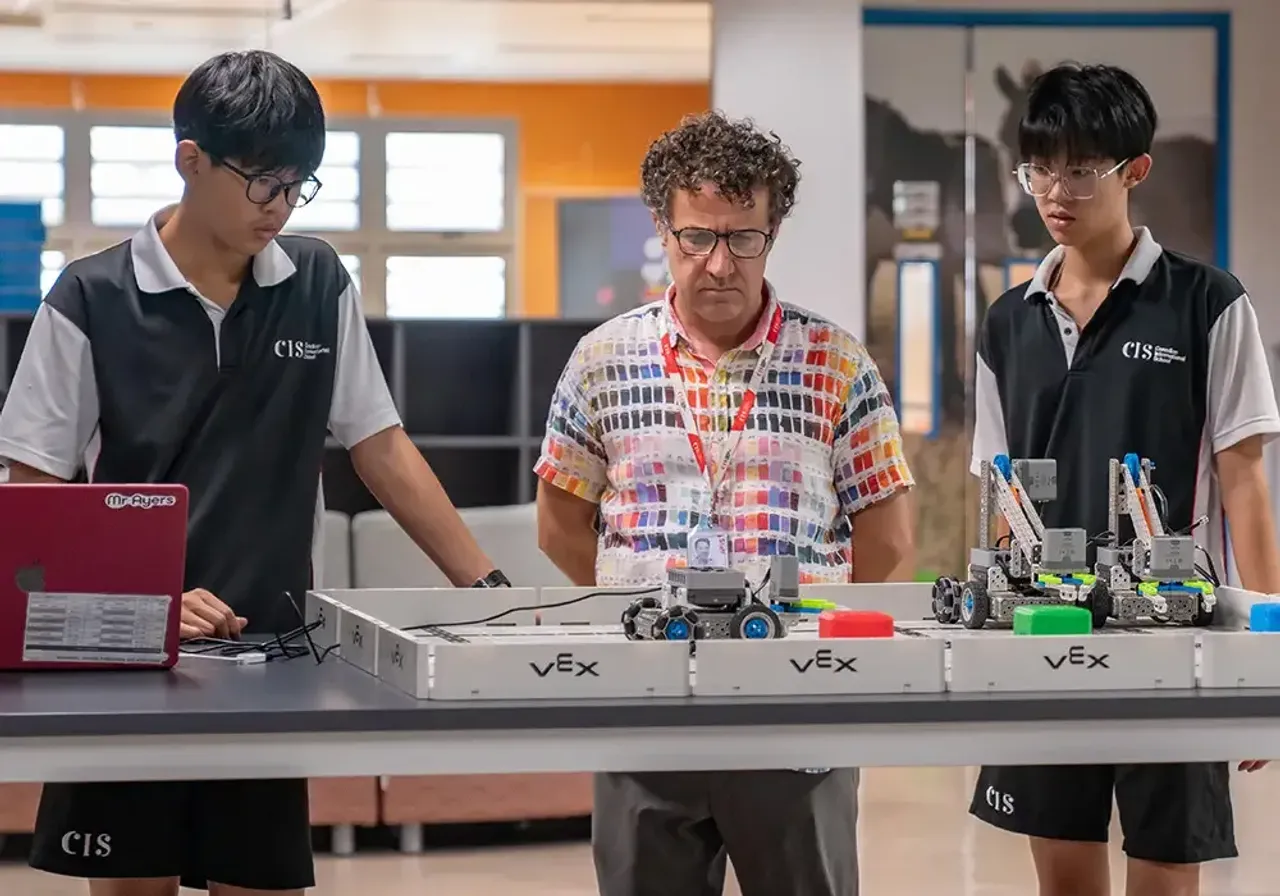
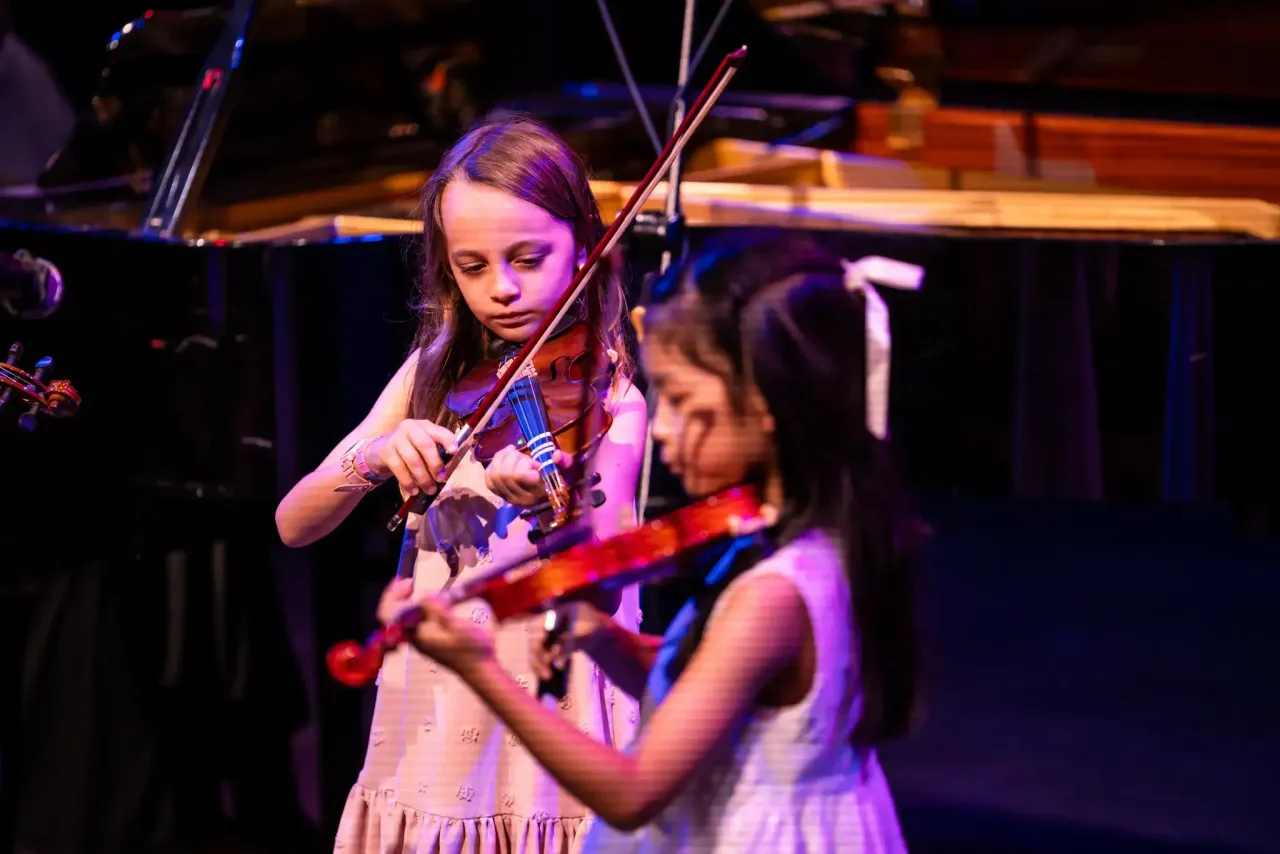
Secondary School is a time for students to feel supported, challenged and confident in who they are becoming. Our strong academic and co-curricular programmes create a rich and balanced school experience, helping students build capability, curiosity and resilience.
Each day begins in advisory with their assigned tutor, where goals are discussed and wellbeing is prioritised. Students then move across campus for subject-specific classes. With a full school day (8.30am to 3.30pm) and a wide range of activities before and after school, students are guided by dedicated teachers and university advisors, graduating as confident, informed young people ready for their next step.
Globally recognised IB education
CIS Secondary School offers a globally recognised IB education that means CIS students become critical thinkers, communicators and caring global citizens. We challenge students to take initiative, solve complex problems and develop intellectual independence.
The IB framework underpins learning across all pathways and shapes students who are confident, reflective and principled. We offer:
Balanced challenge and support
Our teachers are experts in adolescent learning. They guide students to think critically, communicate clearly, question deeply and approach new ideas with curiosity and confidence.
Future-ready learning
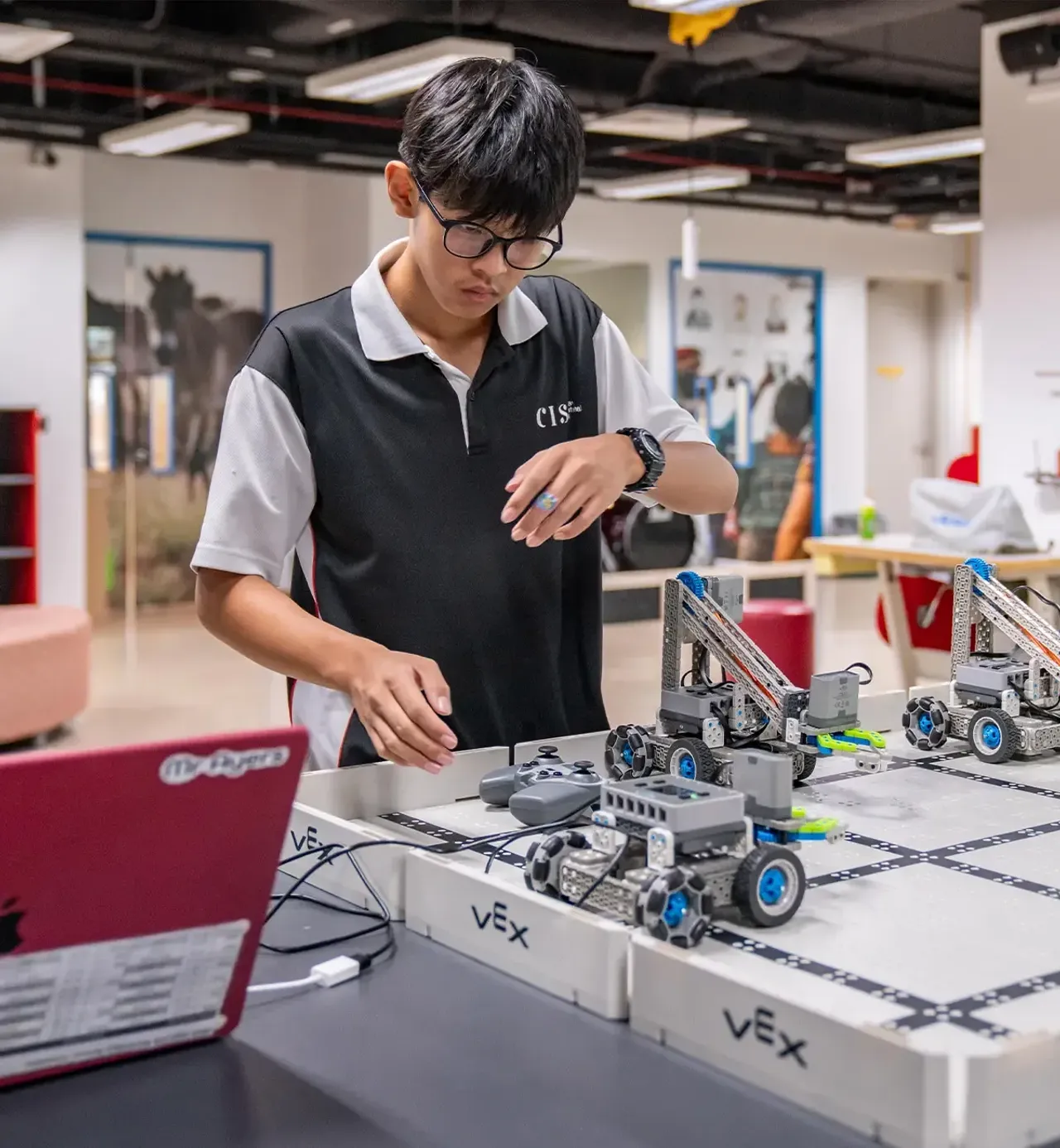
With a strong academic foundation, real-world learning experiences and meaningful leadership opportunities, students leave CIS prepared for university and life beyond.
International perspective
Reflecting our diverse community, our curriculum draws from the strongest secondary programmes worldwide and is delivered within a globally recognised IB framework.
Secondary FAQs
Is it easy for my child to transfer from another curriculum?
Yes. CIS provides transition support, diagnostic assessments, and personalised guidance to help students adjust to a new curriculum successfully. For example, we host student and parent sessions on assessment in the MYP, AP information and information sessions on IBDP programmes.
How does the Secondary School timetable work?
CIS follows an 8-day cycle cascading schedule that ensures an optimal balance of instructional time, advisory lessons and SMART time for individualized pursuits.
What languages can my child study?
Language & Literature: English, Chinese, French, Japanese (Gr 11/12)
Language Acquisition: English Chinese French, Spanish and Japanese from 2026
How much homework will my child receive?
Homework increases by grade level, with a focus on consolidation of learning, independent learning and the development of self management skills.
What support is available if my child needs extra help?
Academic support is provided by a robust advisory programme, individual / small group teacher support when needed, and academically-focused student activities at SMART time. Counselors also provide social-emotional support that focuses on wellbeing and support with additional self-management strategies.
How will my child be assessed?
At CIS students experience a wide range of assessment approaches that are aligned with International Baccalaureate criteria. Assessment includes ongoing formative feedback that is deliberately aligned to summative tasks, ensuring coherence between learning, teaching and evaluation. In the Diploma Programme, students complete both Internal Assessments (IAs) and external assessments (IBDP examinations), which together contribute to their final course grades.
For students enrolled in Advanced Placement (AP) courses, achievement is assessed through course-specific assessments and culminates in externally set and marked AP examinations administered by the College Board.
What leadership opportunities exist?
Student Council, CAS and Service as Action activities MUN, World Scholars, CIS athletics and more.
When do students choose their IB subjects?
At CIS, International Baccalaureate course selection takes place in Grade 10 through a robust, student-centred process that includes advisory goal-setting and wellbeing support, structured university research activities, and guidance from subject teachers, followed by a series of student and parent information sessions and an individual consultation with a university advisor and a CIS administrator. In addition, Advanced Placement (AP) pathways are available from Grade 10 with courses culminating in externally assessed examinations administered by the College Board.
Is there an alternative to the IB DP?
Yes—the Extended Pathway combining IB, AP, and accredited High School Diploma courses. Both options are valid globally for university.
Do most students go to Canadian universities?
CIS graduates attend universities worldwide, including US, Canada, UK, Europe, Asia, and Australia.
How do CIS results compare to global IB averages?
CIS consistently exceeds global averages (e.g., 35 vs. 30.58 world average).
What qualifications do your teachers hold?
All CIS teachers hold specialist degrees and internationally recognised teaching credentials. Most of our teachers have postgraduate credentials as well.
What university pathways do you support?
We support pathways to universities in all major university markets US, UK, Canada, Europe, Australia, and Asia.
Is wellbeing a strong focus?
Yes. Student wellbeing is embedded in our advisory programme, counselling services, and our wider school culture.

Canadian International School