Digital literacy
Digital Literacy at CIS: Empowering 21st century learners
In today’s rapidly evolving digital landscape, literacy has expanded far beyond traditional reading and writing. At CIS, we define literacy as the ability to process, evaluate, and create information using advanced digital tools.
Our mission is to integrate technology seamlessly into the curriculum, providing students with meaningful 21st-century learning experiences that are directly transferable to the modern workplace.
A Certified Common Sense Digital Citizenship school
As a Common Sense Digital Citizenship Certified School, CIS is committed to student safety and ethics. We have adopted the comprehensive K-12 Digital Citizenship Curriculum, which is designed to empower students to:
- Think Critically: Evaluate the source and intent of online information.
- Behave Safely: Protect personal data and navigate the internet securely.
- Participate Responsibly: Engage in digital communities with empathy and integrity.
The ‘One to World’ Programme
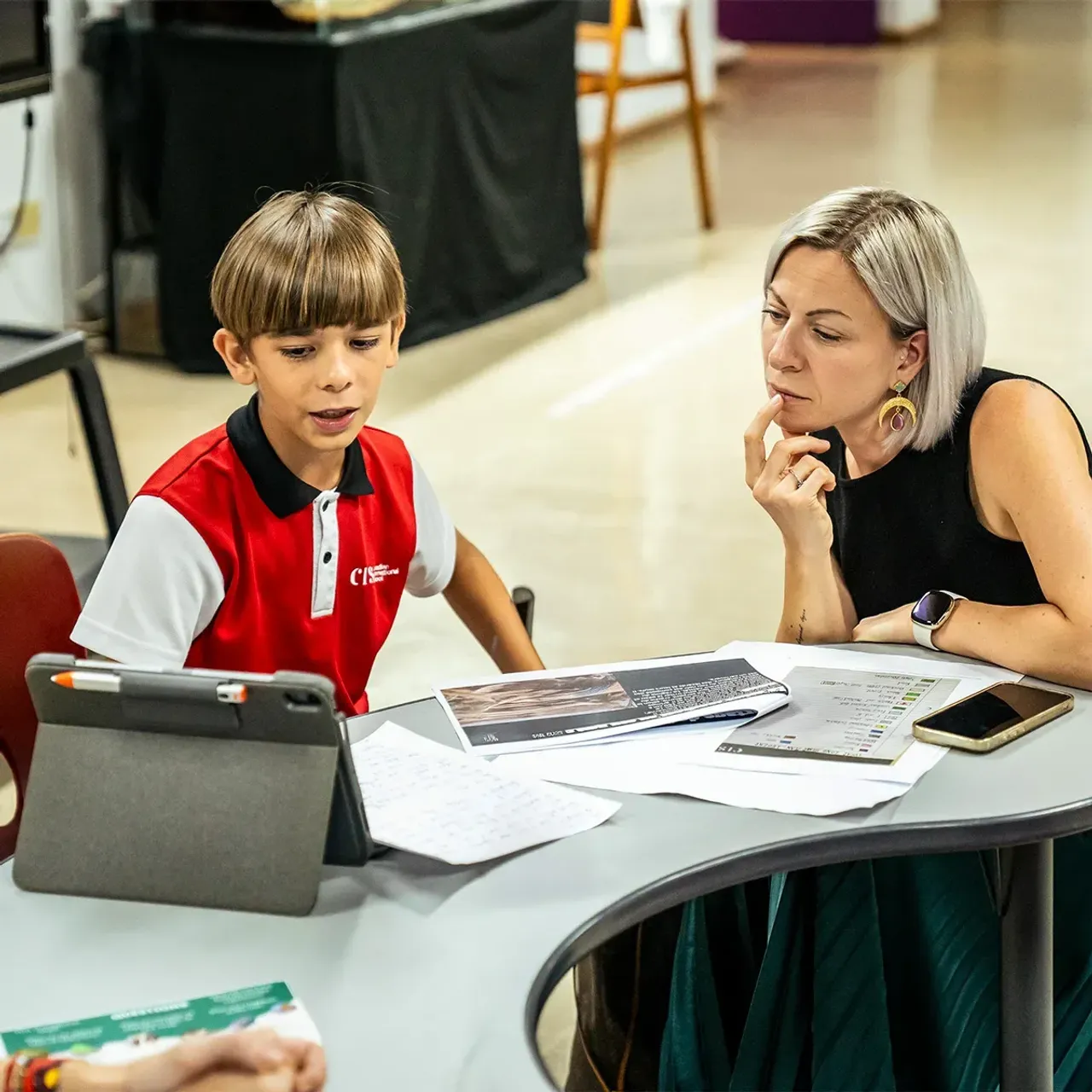
Led by our dedicated Digital Literacy Coaches, the ‘One to World’ programme is the heartbeat of technology at CIS. This initiative ensures students don't just use devices, but harness them as powerful tools for growth.
Through this programme, students learn to:
- Identify what information is important in a crowded digital space.
- Harness technology to enhance their unique learning styles.
- Showcase their skills and talents to a global audience.
- Practice ethical behavior while collaborating online.
Commitment to approved digital tools and student safety
At Canadian International School (CIS), student online safety, privacy, and academic integrity are paramount. To maintain a secure and focused learning environment, CIS exclusively utilizes approved digital platforms and applications such as Google Education Workspace, Google Gemini, ManageBac, and Seesaw that meet rigorous data protection and digital citizenship standards. Every digital resource integrated into the curriculum undergoes strict evaluation to ensure compliance with the school's Acceptable Network Use Policy and global safeguarding guidelines. By enforcing the use of school-sanctioned tools, managed accounts, and campus-restricted Wi-Fi, CIS protects personal data and provides a trusted digital ecosystem where students can safely collaborate, research, and innovate.
Device requirements: iPads and MacBooks
To ensure a consistent and immersive learning environment, all students are required to have their own personal device from the first day of school. These tools are essential for daily classroom activities and long-term projects.
Grades 3 to 6, students use the 1:1 iPad programme. Students in grades 5 to 6 must bring their own iPad to school every day. Order your iPad early to ensure you have it before the new school year starts and load it with the required Apps. Devices are required for a student's first day of school. Students in grades 1 to 4 are provided an iPad by the School.
Grades 5 to 6: The minimum requirements and accessories are a 10th Generation 10.9 inch or the latest 11th Generation (A16) iPad Wi-Fi model with 128GB storage, however 256GB storage capacity is preferable. Students are also required to have a digital pencil and a protective case with a keyboard. We recommend the Logitech Combo Touch for iPad and the Logitech Crayon for iPad to have access to the note-taking, writing and drawing capabilities.
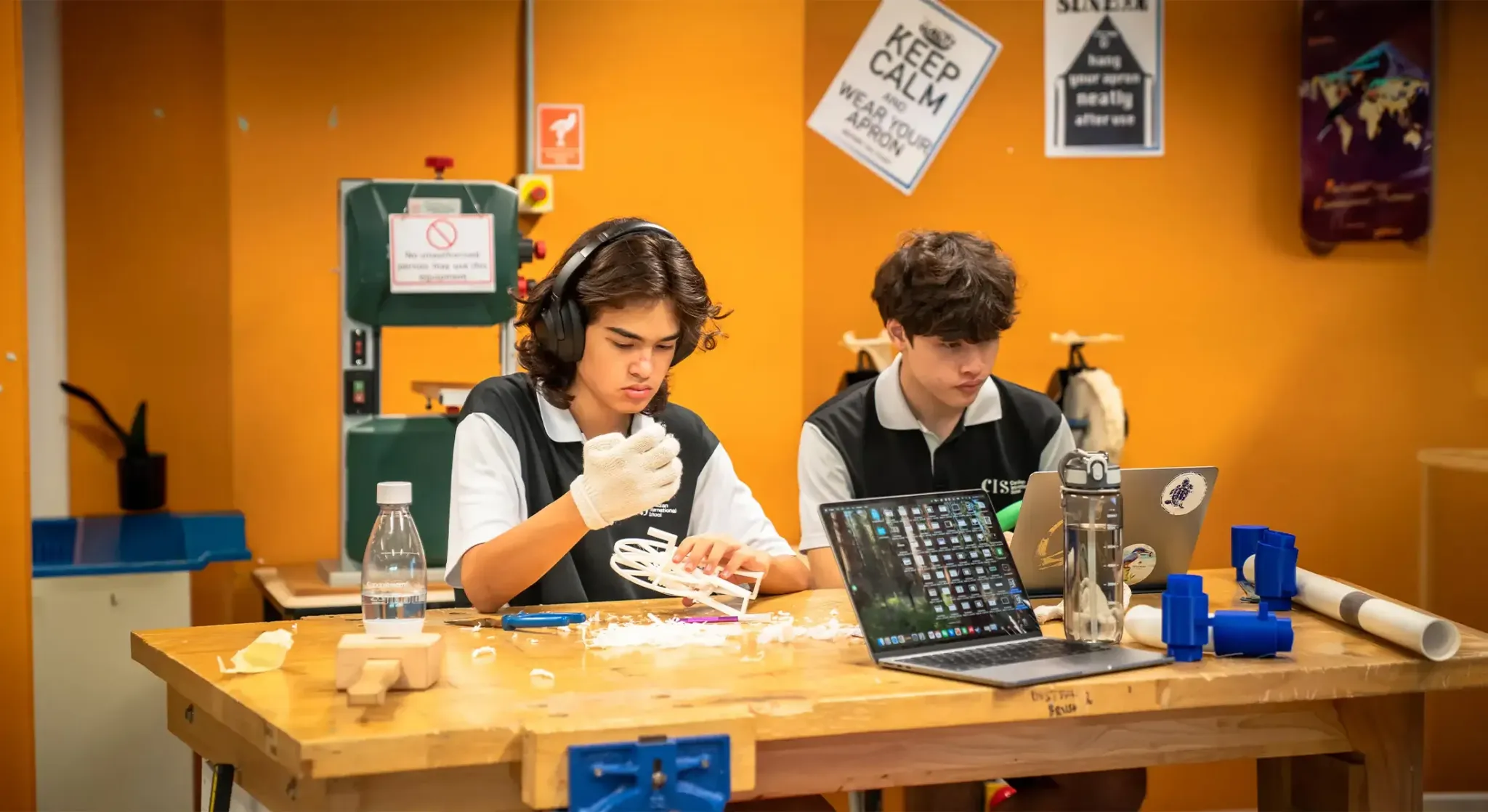
Grades 7-12 are required to bring their own MacBook with at least macOS Sequoia 15.7.7 installed to school every day. MacBook software required for Secondary School students will be programme or subject specific. It will either be provided by CIS, downloaded as needed, or requested to be purchased at a later date.
- Grades 3 – 6
iPad - View iPad Programme Parent Guide - Grades 7 – 12
Macbook - View MacBook Programme Parent Guide

Why Digital Literacy Matters
By integrating technology into every subject, we prepare our students to be more than just consumers of content—we prepare them to be innovators and creators. The ability to use communication tools and networks effectively is no longer optional; it is a fundamental skill for success in an increasingly digitalized world.
Frequently Asked Questions
What is digital literacy at Canadian International School (CIS)?
Digital literacy at CIS is the ability to confidently find, evaluate, create, and communicate information using digital technologies. Students develop the skills to use technology safely, ethically, creatively, and responsibly while preparing for future academic and career success.
Why is digital literacy important for students?
Digital literacy equips students with essential 21st-century skills, including critical thinking, problem-solving, collaboration, communication, online safety, and responsible use of technology. These skills are increasingly important in higher education, the workplace, and everyday life.
What is the One to World Programme?
The One to World Programme is CIS's digital literacy initiative led by specialist Digital Literacy coaches. The programme helps students become responsible digital citizens by teaching them how to think critically, stay safe online, use technology ethically, and showcase their learning through digital tools.
What does students learn through the One to World Programme?
Students learn to:
- Evaluate online information critically.
- Protect their privacy and personal data.
- Use technology creatively for learning and collaboration.
- Communicate respectfully in digital environments.
- Develop practical digital skills for academic and future career success.
Is CIS a certified Digital Citizenship School?
Yes. CIS is a Common Sense Digital Citizenship Certified School. This certification recognises the school's commitment to teaching students how to use technology safely, responsibly, and ethically through a comprehensive K–12 digital citizenship curriculum.
How does CIS keep students safe online?
CIS maintains a secure digital learning environment by using approved educational platforms, managed student accounts, secure campus Wi-Fi, and clear digital citizenship guidelines. Students also receive ongoing instruction in online safety, privacy, cybersecurity, and responsible digital behaviour.
What digital platforms do CIS students use?
Students use a range of approved educational platforms, including:
- Google Workspace for Education
- Google Gemini
- ManageBac
- Seesaw
All platforms are carefully reviewed to meet student privacy, safeguarding, and educational standards.
Does CIS allow students to use any apps or websites?
No. Only school-approved digital tools and applications that meet CIS's privacy, security, and educational requirements are used in classrooms. This helps ensure a safe and consistent digital learning experience.
What devices are required at CIS?
Device requirements vary by year level:
- Grades 1–4: iPads are provided by the school.
- Grades 5–6: Students bring their own iPad with the required accessories.
- Grades 7–12: Students bring their own MacBook that meets the school's minimum specifications.
How is technology integrated into classroom learning?
Technology is integrated across all subject areas to support inquiry-based learning, creativity, collaboration, research, communication, and problem-solving. Students use digital tools to create projects, conduct research, collaborate with classmates, and demonstrate their understanding in innovative ways.

Canadian International School