Programme structure
We offer an internationally recognised early years programme grounded in play, inquiry and real-world exploration so children develop foundational skills at a developmentally appropriate pace.
Key learning areas
Language and literacy development
Children build vocabulary through storytelling and phonics, laying a strong foundation for reading and communication. They develop emerging writing skills through guided and independent practice, while gaining confidence in speaking and expressing their ideas clearly. Optional bilingual pathways in English–Mandarin and English–French further enhance language development and cultural awareness.
Numeracy and mathematical thinking
Children develop strong foundational numeracy skills through exploring sorting, patterns, and sequencing activities. They build an understanding of numbers and counting concepts while engaging in hands-on mathematical exploration. Through meaningful and practical experiences, they begin developing early problem-solving strategies and logical thinking skills.
Discovery of the world (science and inquiry)
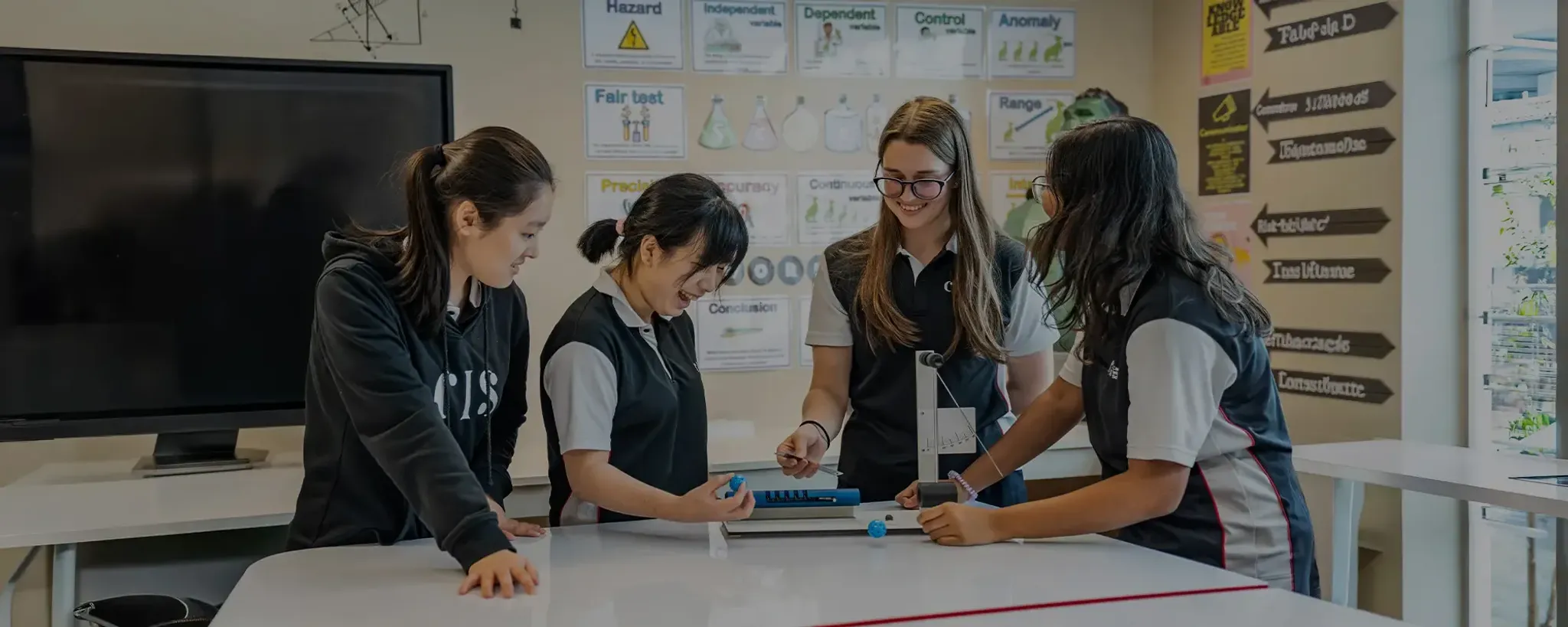
Through nature walks and sensory play, children are encouraged to observe, question, and explore the world around them. They develop early scientific thinking skills by engaging in simple, experiment-based learning experiences that spark curiosity and critical thinking. These meaningful explorations help them build an understanding of how the world works in engaging and age-appropriate ways.
Creative arts and expression
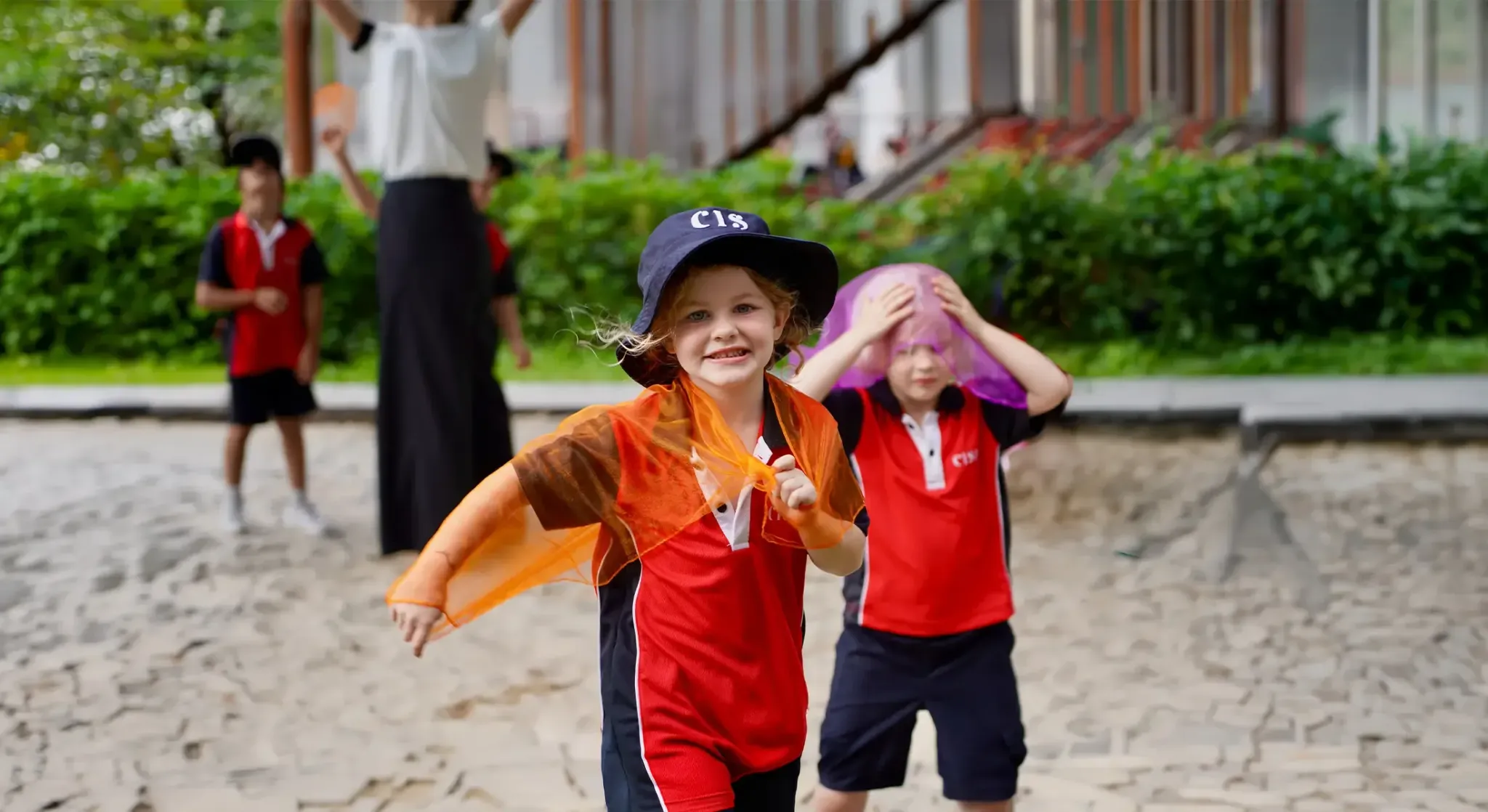
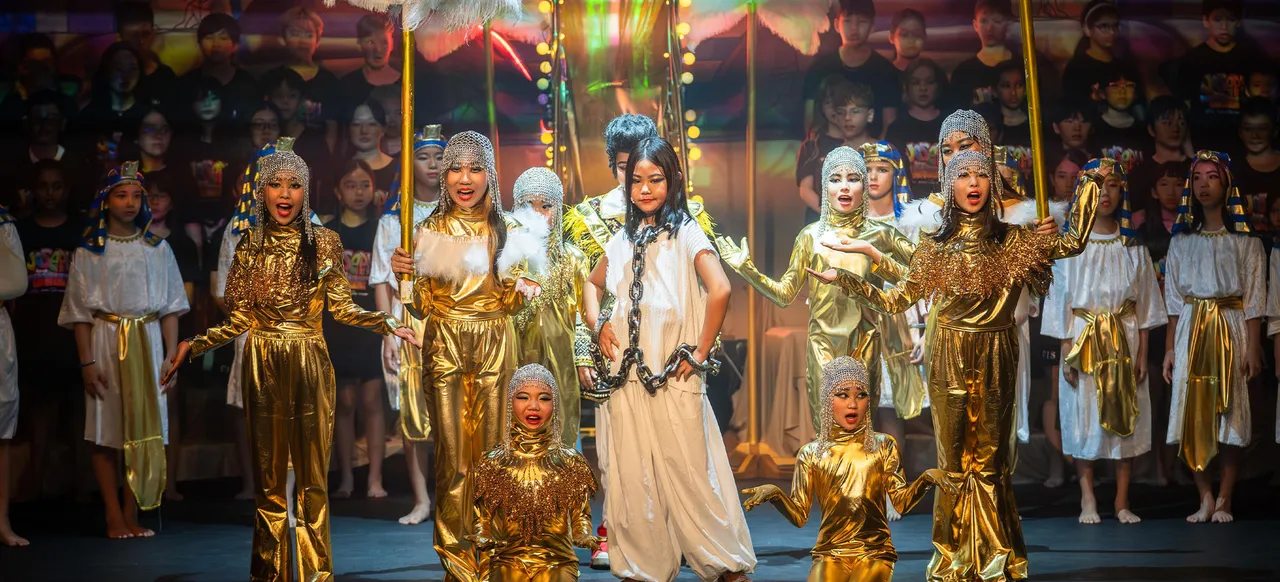
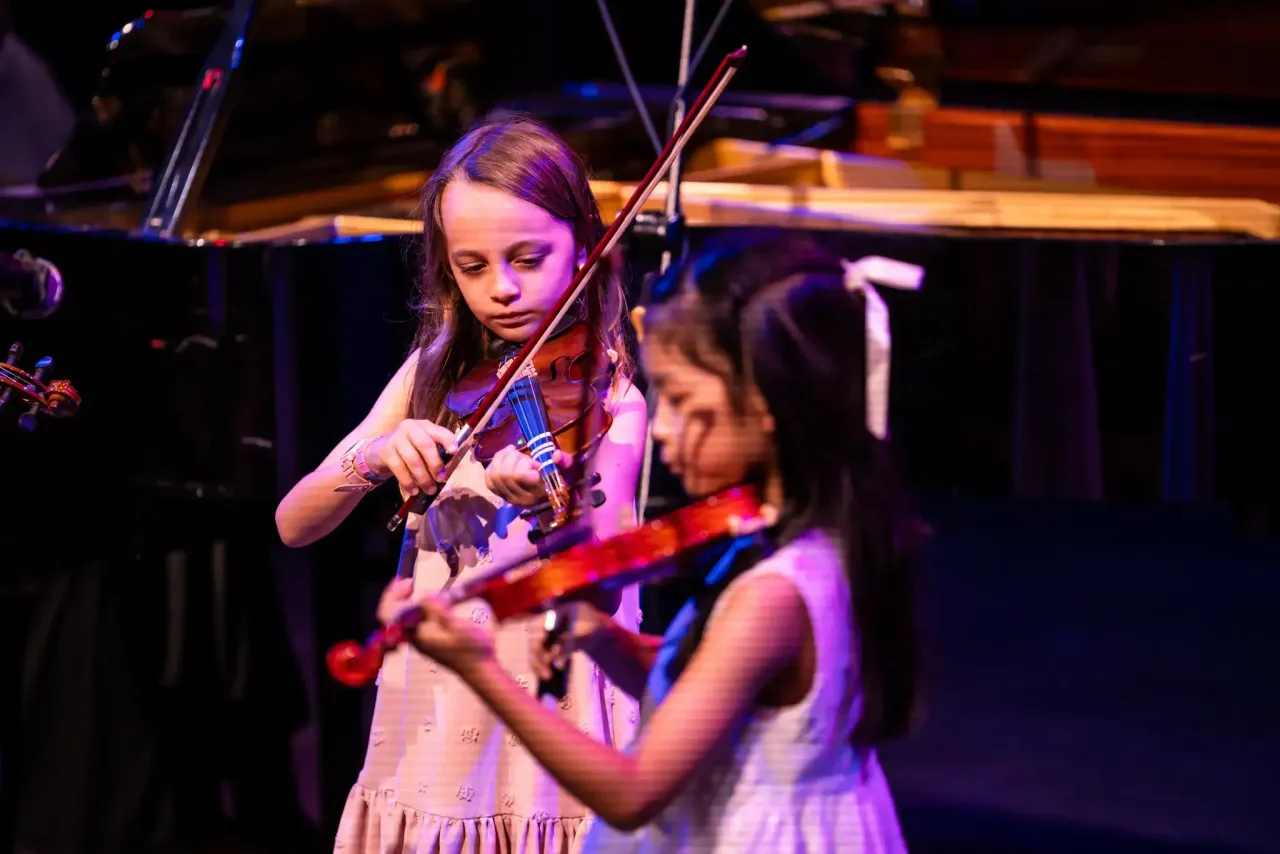
Children explore music, movement, and dramatic play as meaningful ways to communicate ideas and emotions. Through both free art experiences and guided projects, they experiment with a variety of materials to spark imagination and creativity. These opportunities encourage confident self-expression and help nurture each child’s unique voice.
Physical development and motor skills
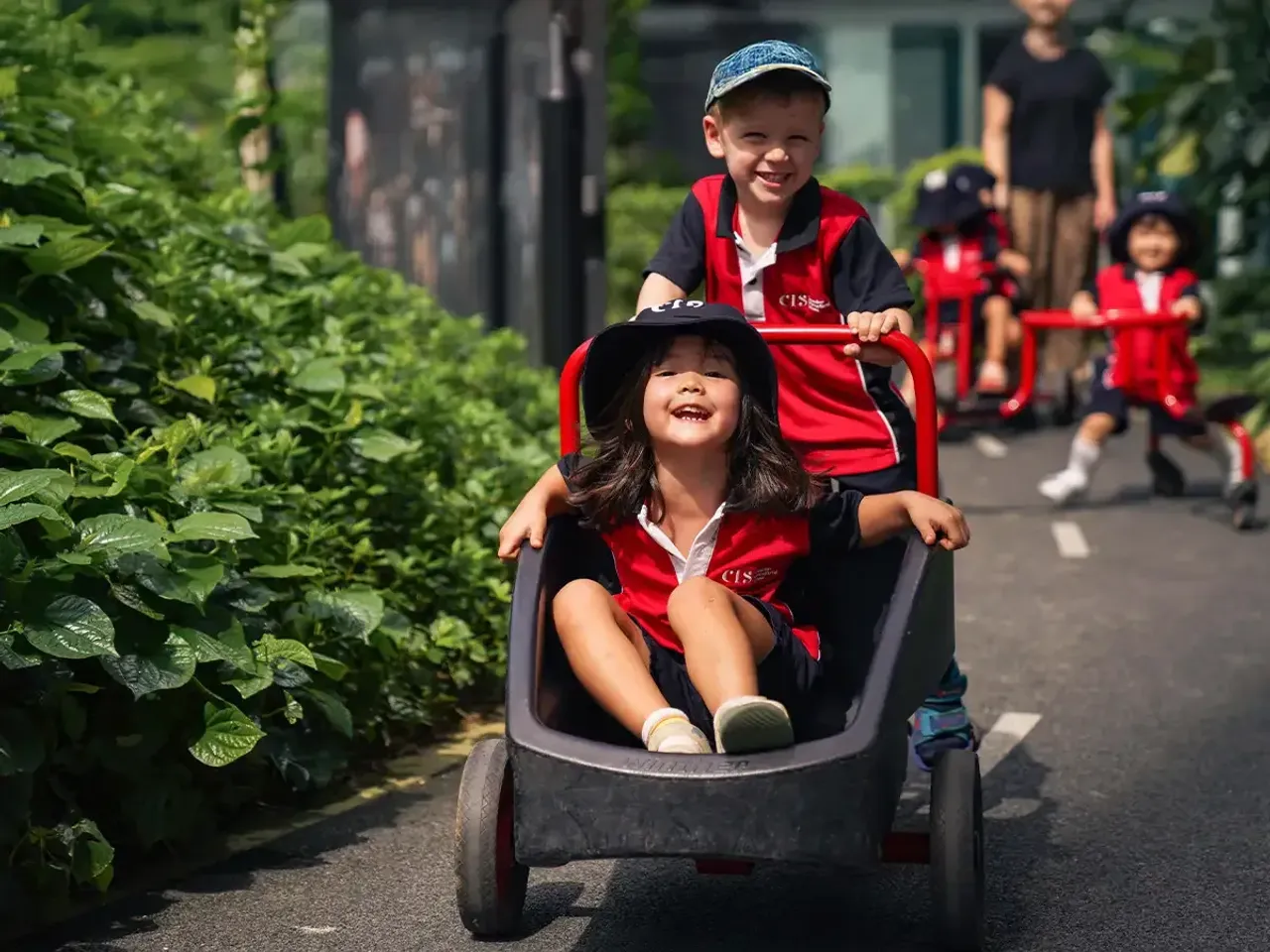
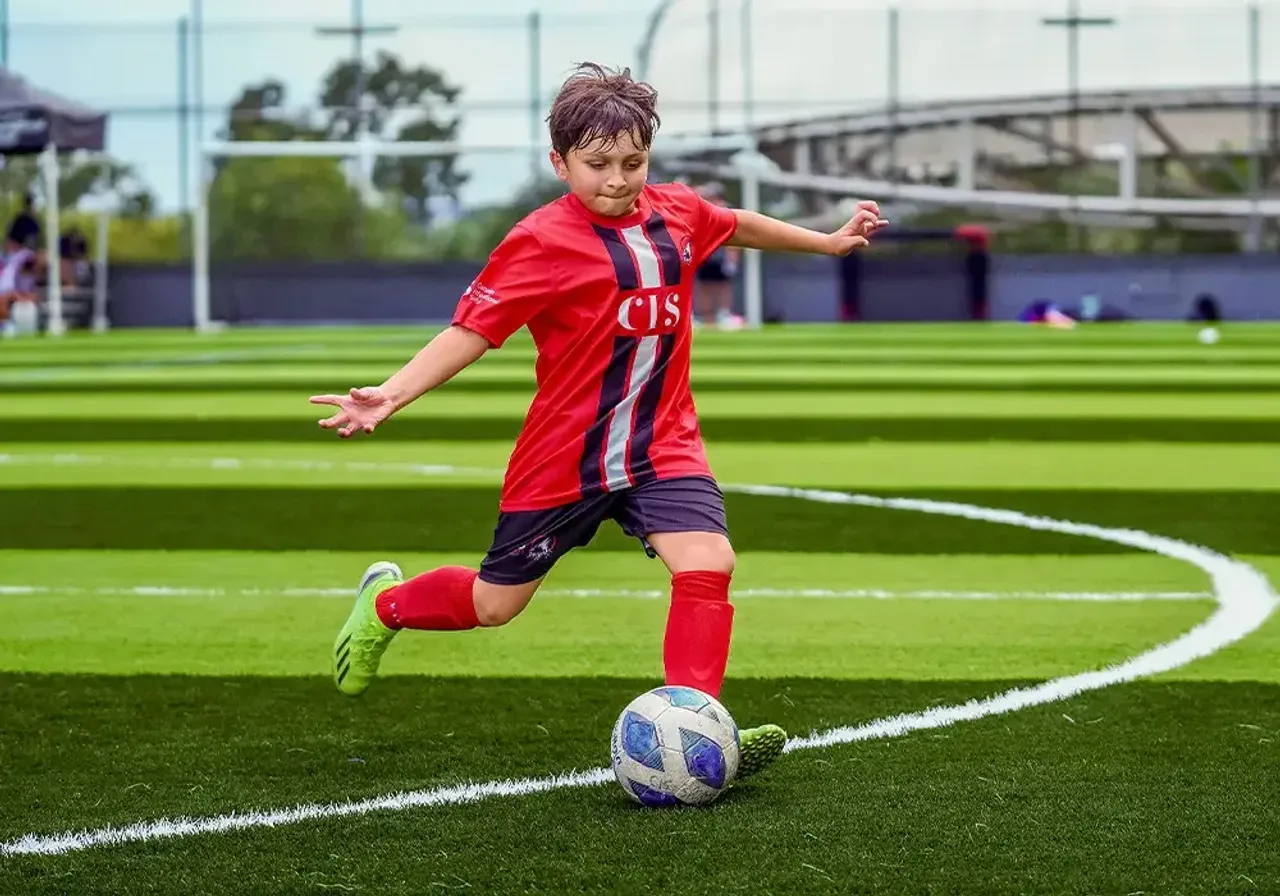
Children strengthen their physical development through outdoor play and structured physical activities that build coordination and overall fitness. Fine motor skills are developed through hands-on tasks such as cutting, drawing, and threading, supporting precision and control. These experiences also enhance spatial awareness, balance, and body confidence in a safe and engaging environment.
Social and Emotional Learning (SEL)
Children develop meaningful friendships while learning empathy, respect, and understanding for others. Through consistent classroom routines, they build independence and a sense of responsibility. They are supported in developing emotional regulation skills and learn how to collaborate effectively through group activities, fostering confidence and positive relationships within the learning community.
Want to know more? Find our more detailed guide here which includes a sample timetable.

Canadian International School