
The question that changed everything
By Hannah Fletcher, Grade 7 Level lead
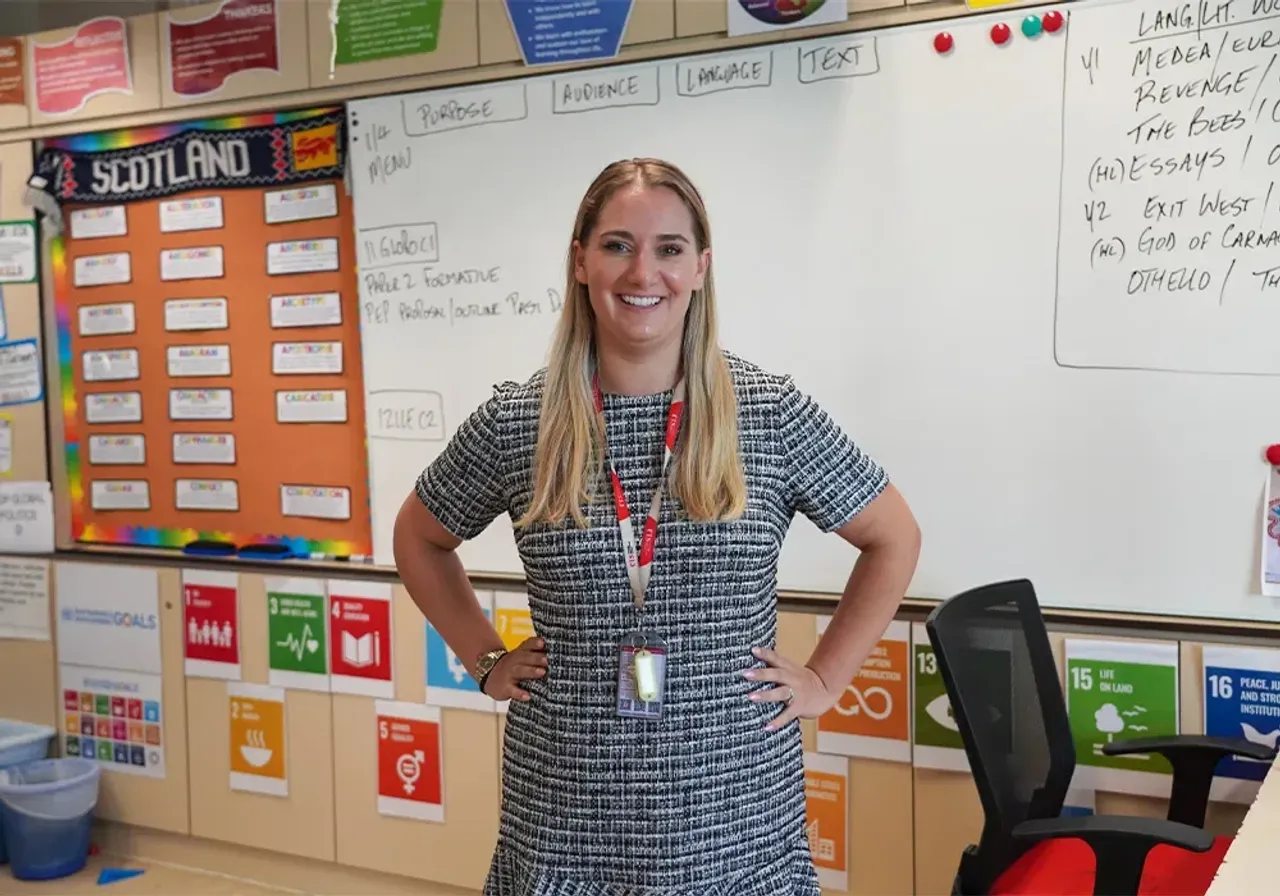
It started with a simple question that stopped me in my tracks: “Are you a teacher of English, or an English teacher?”
At first, I brushed it off. I had never really thought about the distinction. But over time, it lingered. It raised something deeper about identity and purpose. The more I reflected, the clearer my answer became.
I am a teacher of students first.
That moment sparked a curiosity that has continued to shape my practice. Being in front of a classroom has never felt like work to me. It is where I feel most purposeful, where I see the immediate impact of what we do as educators, and where I know I am exactly where I am meant to be.
A shift beyond subject
This question led to a significant shift in how I view teaching. In a world where information is no longer scarce and AI can provide instant answers, the role of the teacher must evolve. What we know is no longer enough; how we teach matters more than ever.
This is not a dismissal of subject expertise, but a reframing of priorities. We must move beyond being deliverers of content and instead become designers of learning experiences—teachers who engage, enlighten, and empower.
Research supports this shift. John Hattie highlights that teacher effectiveness is one of the most significant influences on student achievement, with an effect size above the average of many other interventions. Similarly, Barak Rosenshine emphasises clarity, modelling, and guided practice as essential elements of effective instruction. Together, these ideas reinforce a key truth: how we teach has a profound impact on learning.
Learning to teach the craft
My curiosity about teaching as a skill led me to become a teacher mentor in the UK. I worked with educators who were highly knowledgeable in their subjects but were still developing the craft of teaching. What struck me was how transformative this process could be. Teaching is often seen as something innate. You either “have it” or you don’t. While instinct plays a role, I have come to believe that great teaching is built through deliberate practice, reflection, and collaboration.
I remember a feedback conversation with a trainee teacher after observing their lesson. As I discussed moments where questioning could have gone deeper or where wait time could have supported thinking, I became more aware of my own practice. The trainee asked how I knew when to step in and when to hold back. In answering, I realised I was articulating decisions I often make instinctively. It pushed me to reflect more critically on my own teaching and to be more intentional in my choices.
In supporting others, I refined my own practice. Mentoring reinforced the importance of collaboration, not just for students, but for teachers. When we share strategies, observe one another, and engage in professional dialogue, we strengthen the profession as a whole. It also reaffirmed that we model far more than content. We model curiosity, creativity, generosity, and respect. These are embedded in every interaction, every lesson, and every decision we make.
Where passion meets practice
Stepping into the role of Grade Level Lead expanded my perspective further. It allowed me to think not only about individual classrooms, but about the shared experience of students across a year level.
One truth has remained constant. Students respond to passion.
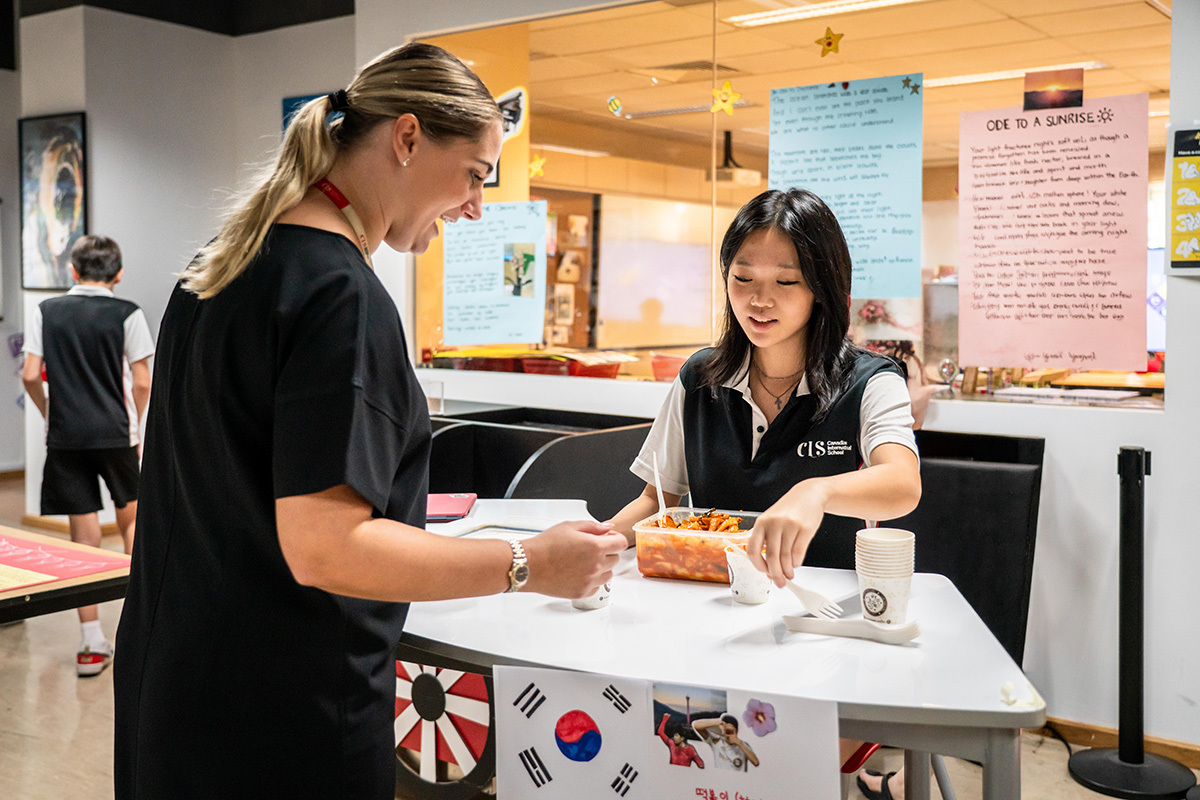
When I am invested, they are invested. When I bring energy, they respond with energy. When learning feels purposeful, engagement follows. This is reflected in the experiences we design. In Grade 9, students create and run their own food festival, blending language, culture, and collaboration. They bring Animal Farm to life through performance, deepening understanding through enactment. In Grade 7, students place characters from And Then There Were None on trial, developing argumentation, empathy, and critical thinking.
These are not just activities. They are experiences where learning becomes memorable. Moments filled with curiosity, collaboration, and joy. When students feel something, they remember it.
Building independence
Equally important is ensuring that passion leads to independence.
One idea that has shaped my thinking comes from Lance King, who suggests that effective ATL strategies aim to “develop students who no longer need us.” At first, this feels counterintuitive. As teachers, we invest deeply in our students, and it can be difficult to imagine stepping back. But this is the goal. We aim to equip learners with the skills, confidence, and independence to succeed beyond our classrooms.
This requires intentional focus on transferable skills such as communication, collaboration, self-management, and critical thinking. It also requires learning environments where students are trusted to make decisions, take ownership, and reflect on their growth. It also requires trust; trust that when we give students space, they will rise to the challenge.
Looking ahead: the future of teaching
As I reflect on my journey, one thing is clear: I am still learning. Every day, I am inspired by the incredible teaching happening around me. Every day, I see new ideas, new approaches, new possibilities. And that is what excites me most about the future of education.
But there is also a challenge ahead. Education is only possible if teachers exist, and if passionate, skilled individuals continue to enter and remain in the profession. Research consistently highlights this concern. For example, reports from organisations such as UNESCO indicate that the world will need tens of millions of additional teachers by 2030 to meet global education goals, while studies from the OECD show that teacher attrition, particularly within the first five years, remains a significant issue across many systems. We must be at the forefront of inspiring the next generation of educators, showcasing the impact and fulfilment that teaching can bring. This includes creating professional cultures where teachers feel valued, supported, and able to grow, factors that research links directly to retention and job satisfaction. If we want to shape the future, we must first value the people who make it possible.
A call to reflect and act
So where does this leave us?
Perhaps with a few questions worth considering: Are you teaching your subject, or are you teaching your students? How are you creating opportunities to empower students? How are you collaborating with others to refine your practice?
The answers will look different for each of us, and that is the point. Teaching is not a fixed formula; it is a dynamic, evolving craft. But if there is one takeaway, it is this: when we centre our practice on students, on who they are and who they can become, we move beyond teaching content. We begin to shape futures. And that is where the real power of education lies.

Grade 7 Level lead
Author biography:
Hannah is our Grade 7 Lead from the UK, with over 11 years of experience teaching English Language and Literature in both the UK National Curriculum and the International Baccalaureate (IB). Since moving to Singapore in 2018, she has been teaching at CIS, designing engaging and accessible learning experiences for all students.
Her research into drama-based strategies reflects her commitment to creative, evidence-informed teaching. Hannah helps students understand how language works so they can confidently express their ideas and opinions.
Through poems, stories and texts from diverse cultures, students explore literary techniques and connect learning to real-world contexts. By breaking learning into achievable steps and tailoring her approach to each learner, Hannah fosters confidence, curiosity and a genuine love of learning in a safe, inclusive classroom.

Canadian International School