
Sustainability in Action: The Green Machine at CIS
By David Wheeler, Secondary Teacher
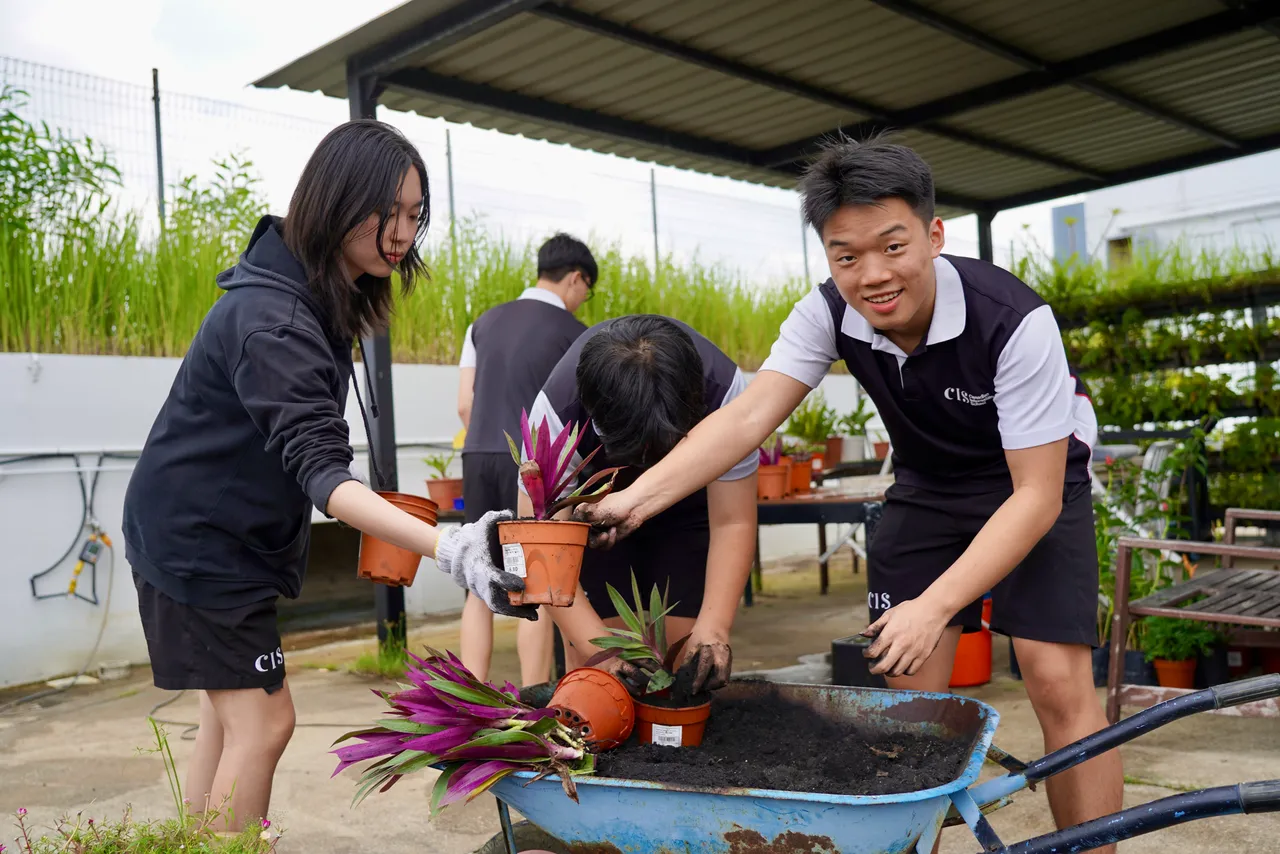
Step onto the CIS rooftop and you will find more than just plants growing. What was once an underused space has transformed into a thriving community garden, buzzing with bees, butterflies, students, and plenty of fresh ideas.
At the heart of it all is the Green Machine, CIS's student-led sustainability group, which continues to grow alongside the garden itself. Over the past four years, students have worked together to build a space that supports all three pillars of sustainability: environmental, social, and economic.
For CIS Teacher David Wheeler, one of the most valuable aspects of the garden is its ability to connect learning with real-world experiences. By caring for plants, observing ecosystems, and contributing to sustainability projects, students are able to see the impact of their actions firsthand.
More than just a garden, it has become a living classroom where learning extends far beyond the walls of a traditional classroom. In this unique learning environment, students are involved in planting seeds, watering crops and building garden beds. They also develop practical gardening skills to care for a wide variety of plants while exploring what sustainability looks like in action.
Many of the garden's planters and growing spaces were created through student-led upcycling projects. Old wood and unused materials from around the school were given a second life as planting boxes and garden features. This is to reduce waste while helping students think creatively about resource use.
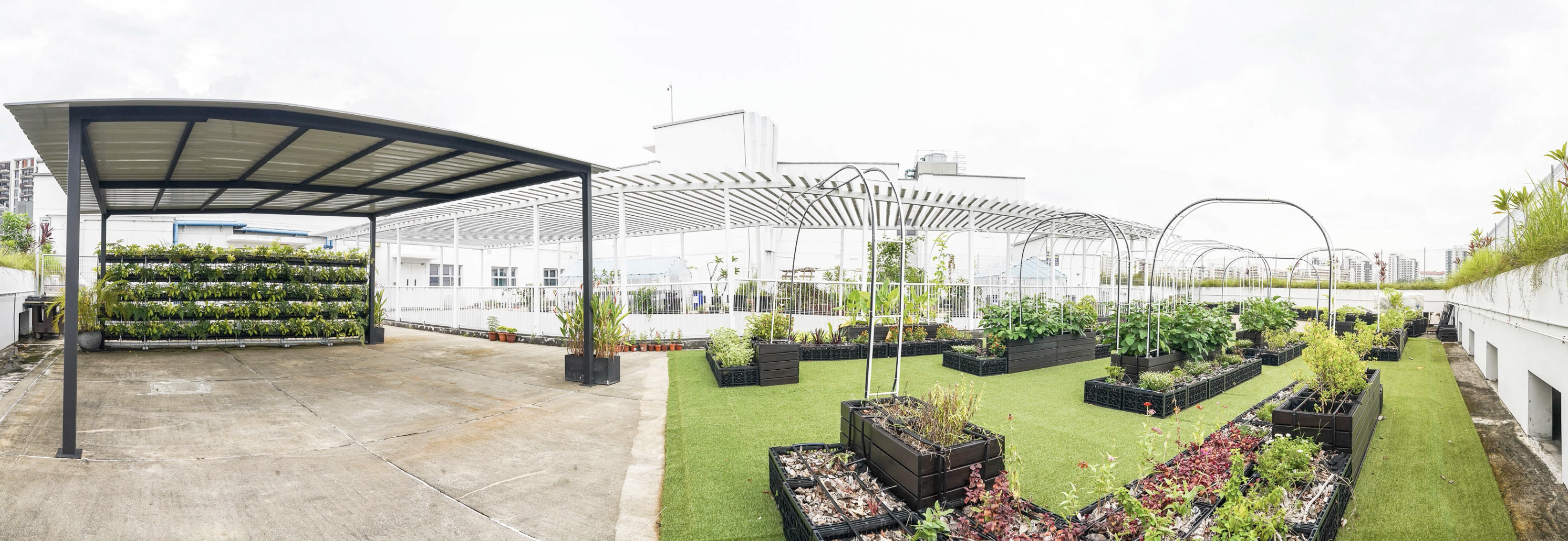
As the garden expanded, so too has its biodiversity. Today, the rooftop is divided into two main areas: one dedicated to flowers and pollinator-friendly plants, and another focused on growing fruits and vegetables. The result is a vibrant ecosystem that attracts bees, butterflies, and other important pollinators to create new opportunities for observation and learning.
The garden has quickly become a favourite space for students across the school. Some visit to conduct research and biodiversity studies, while others enjoy spending time surrounded by nature.
This year, the garden has also become an important part of the Primary School science curriculum. Students regularly visit to learn about plant growth, life cycles, and the parts of a plant through hands-on experiences. Concepts such as food chains, food webs, and predator-prey relationships come to life as students observe real ecosystems developing around them.
One particularly successful initiative has focused on reducing food waste. Rather than throwing away seeds from fruits and vegetables, students have been encouraged to collect them and bring them to the garden. There, the seeds are germinated, nurtured, and eventually grown into new crops.
What began as a simple idea has helped students understand the journey from seed to harvest while reinforcing the importance of reducing waste and making the most of available resources.
The garden's success has even attracted attention beyond CIS.
Recently, researchers from Republic Polytechnic, led by Dr Sun Guang Wen, conducted studies in the garden exploring pest and predator relationships. The project was made possible by the garden's rich biodiversity and the school's commitment to growing plants without the use of chemical pesticides.
As the garden continues to flourish, students are taking on increasing leadership roles. Many have proposed and led new initiatives to improve the space and ensure its long-term sustainability.
Student-organised plant sales have become a popular way to raise funds for seeds, soil, plants, and gardening materials. Students have also created a permanent plant display featuring QR codes, allowing visitors to purchase plants and directly support the garden project.
Looking ahead, the Green Machine has even more plans in store. Future initiatives include additional plant sales and a plant-fostering programme, where members of the CIS community can leave their plants in the care of the garden team. These projects not only help support the garden financially but also create new opportunities for student leadership, entrepreneurship, and community engagement.
Today, the CIS Community Garden stands as a powerful example of what can happen when students turn ideas into action. It is a space where sustainability, learning, and leadership grow together and where every new seed planted helps cultivate a greener future for the CIS community.

Canadian International School