
From lessons to ecosystems: Rethinking music education as culture, community, and belonging
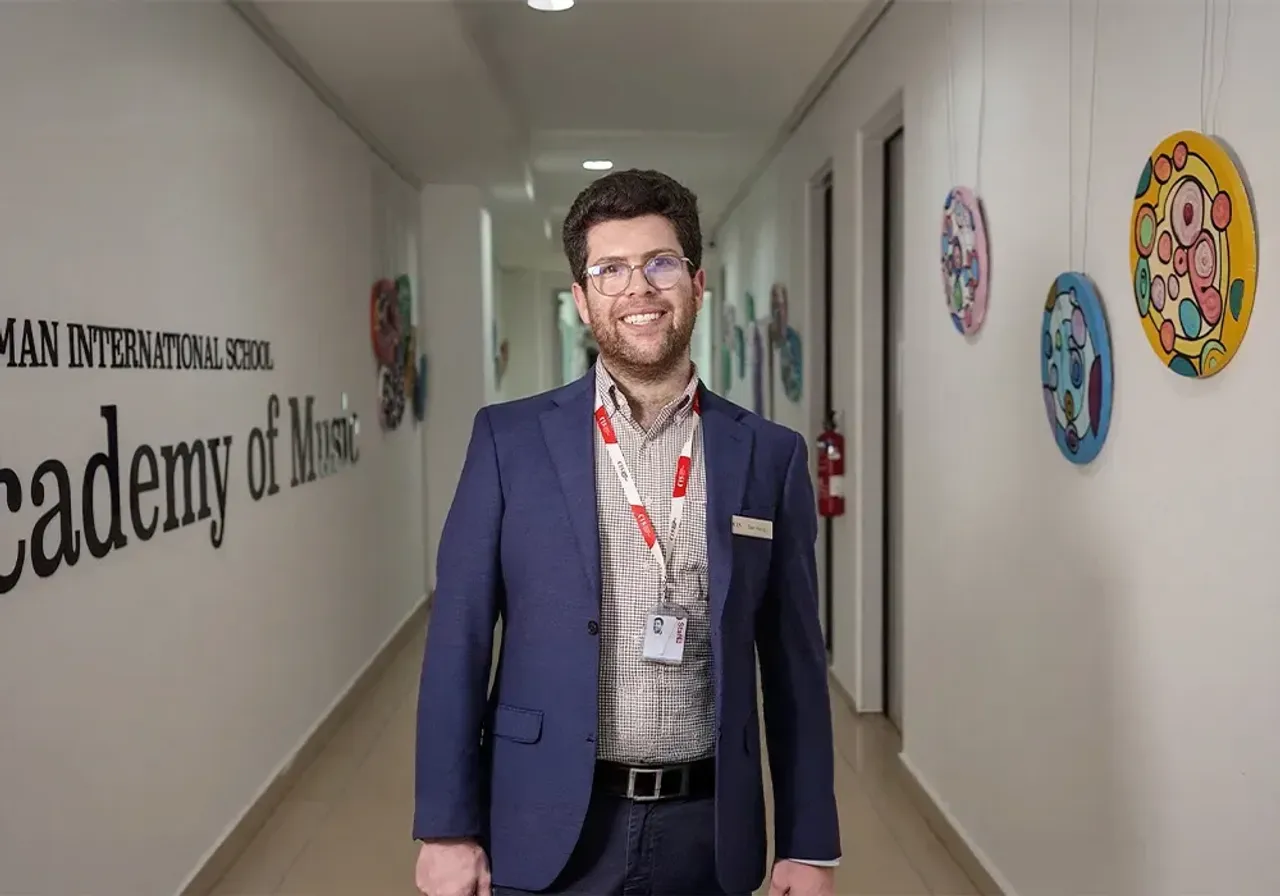
By Dan Hartig, K-12 Music Coordinator
Moving beyond separate musical spaces
When many people think about music education in schools, they often picture classroom singing, recorder units, concerts, or co-curricular ensembles such as choir, band, or orchestra. Private instrumental lessons are traditionally viewed as something separate; something students pursue after school, at private music studios, or at home with individual teachers.
For many years, these areas of music education have often existed independently from one another. Classroom music sits within the academic timetable. Ensembles rehearse before or after school. Private lessons happen externally, disconnected from the daily life of the school. While each space can be valuable on its own, I have increasingly found myself asking a larger question: What happens when these experiences stop functioning separately and instead begin supporting one another as part of a connected musical ecosystem?
Building a connected musical ecosystem
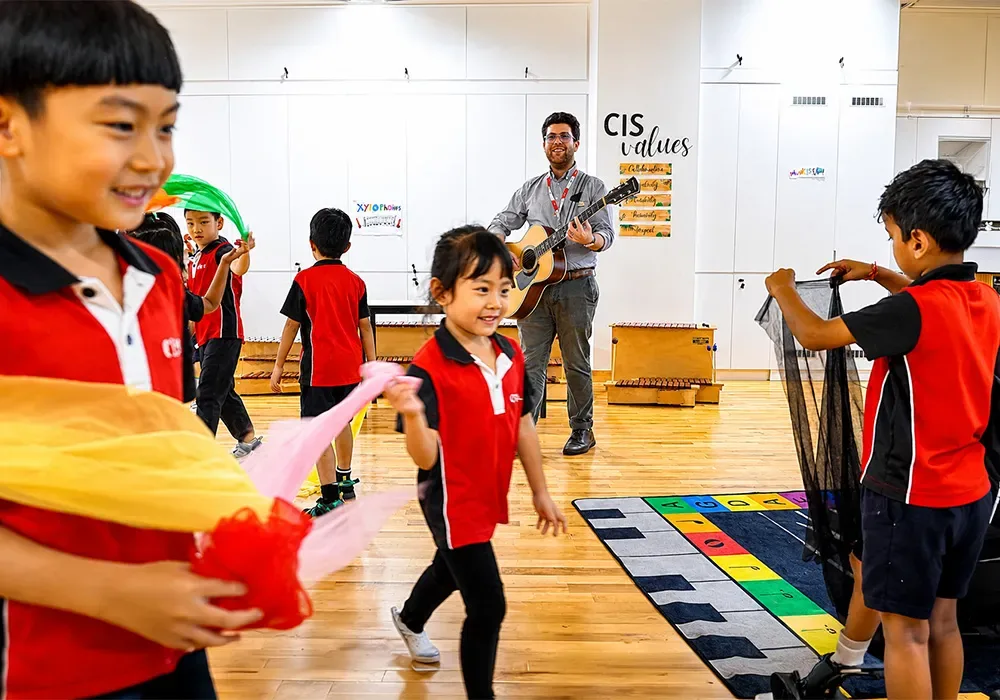
Working at Canadian International School in Singapore and building the Academy of Music (AOM) from the ground up has significantly shaped my thinking around this idea. Over time, I have come to believe that some of the strongest music programmes are not simply collections of lessons, rehearsals, and performances. They are interconnected communities where classroom music, private instruction, ensembles, creativity, and performance opportunities all reinforce one another through shared musical goals and experiences.
Shared concepts across musical pathways
The lesson itself still matters deeply. Strong instruction, thoughtful feedback, and technical progression are essential. Ensembles and classroom experiences are equally important. However, the real transformation happens when these spaces stop feeling disconnected and begin operating with common purpose and shared language.
At the centre of this ecosystem are overarching musical concepts that apply across all areas of learning. Music literacy, rhythmic understanding, listening skills, reflection, responding to music, analysis, collaboration, creativity, and performance confidence are not concepts that belong exclusively to one classroom or programme. They should exist across every musical pathway available to students.
A student learning rhythmic subdivision in a classroom lesson should encounter those same ideas in jazz band rehearsal. A vocalist developing listening and phrasing skills in choir should continue strengthening those same musical habits in private lessons. A student learning notation and harmonic understanding during instrumental lessons should be able to apply that knowledge directly within ensemble performance and composition work.
The role of communication and family partnership
A strong ecosystem depends on communication between all adults supporting a child’s musical journey. Ensemble directors, classroom teachers, and private instructors should not work in isolation. When educators share goals and approaches, students experience greater consistency and reinforcement.
Parents also play a vital role. Research by Creech and Hallam highlights the positive impact of parental involvement on musical development. When families understand how to support practice, celebrate progress, and engage positively with music learning at home, the ecosystem becomes stronger.
When these connections are in place, students no longer experience music as separate activities. They begin to experience themselves as part of a musical community.
From participation to identity and belonging
Importantly, this ecosystem model also changes how students engage emotionally with music.
A student who only attends one lesson per week may enjoy music, but a student who also joins an ensemble, performs publicly, collaborates with peers, and sees music valued throughout the school culture often begins developing something much deeper - identity and ownership. They begin seeing themselves not simply as a student taking music, but as a musician contributing to a community.
At CIS, I see this in everyday moments. A beginner pianist gains confidence performing alongside older students. A drummer applies classroom concepts in a rock band. A violinist strengthens sight-reading through ensemble work. Older students mentor younger musicians. Parents begin to see music as more than enrichment—it becomes a space for expression, confidence, and wellbeing.
These moments do not happen because of one programme. They happen because the ecosystem creates connection, reinforcement, and opportunity.
Music Education and holistic learning
One of the most powerful aspects of this model is that it supports holistic education. In many schools, student agency, collaboration, resilience, and wellbeing are central priorities for future-ready learning. Music programmes are uniquely positioned to develop all of these simultaneously.
Unlike many traditional academic environments, music requires students to think both analytically and creatively. They must listen carefully, reflect critically, collaborate, adapt in real time, and express themselves with confidence. These are not isolated “music skills,” but transferable human skills that prepare students for leadership, communication, and creative problem-solving beyond the classroom.
In international school settings, where students come from diverse cultural backgrounds, music also becomes a shared language that builds connection, confidence, and belonging across year levels and cultures. Ensembles and performances often create spaces where students feel seen and valued in ways that extend beyond academics.
As the programme has grown, I have also learned that effective ecosystems require intentional culture-building, not simply more opportunities. Visibility matters. Students need to regularly see music across school life through performances, assemblies, recitals, and informal showcases. When music becomes visible and valued within the school culture, students begin to see themselves within it.
Redefining success in Music Education
This ecosystem also reshapes how we define success.
While examinations and technical achievement remain important, some of the most meaningful outcomes are less measurable. A student overcoming anxiety to perform for the first time. A guitarist learning to collaborate in a band. A singer discovering confidence through songwriting. A student developing empathy while mentoring others.
These moments remind us that music education is not only about producing skilled musicians. It is about developing confident, creative, and connected human beings.
Looking ahead
Looking ahead, I believe schools have an incredible opportunity to rethink how music education fits within the broader educational experience. Rather than existing at the margins of school life, music can become a central space where creativity, collaboration, literacy, reflection, identity, and belonging intersect.
When classroom learning, ensembles, and private lessons begin supporting one another through shared concepts and shared purpose, something much larger begins to emerge.
Music stops becoming just a subject, rehearsal, or lesson.
It becomes culture. It becomes a community. And for many students, it becomes a place where they truly belong.

Music Coordinator
Author biography:
Dan Hartig is the K–12 Music Coordinator at CIS, where he leads the Academy of Music and oversees instrumental, vocal, contemporary, and performance music programmes across the school. Originally from New York, Dan is an experienced international music educator, jazz guitarist, and programme leader with a passion for building creative, student-centred music ecosystems that connect classroom learning, ensembles, private instruction, and authentic performance opportunities. His work focuses on fostering musical identity, collaboration, and belonging through holistic music education.

Canadian International School