Curriculum, Assessment, and Learning Through Movement
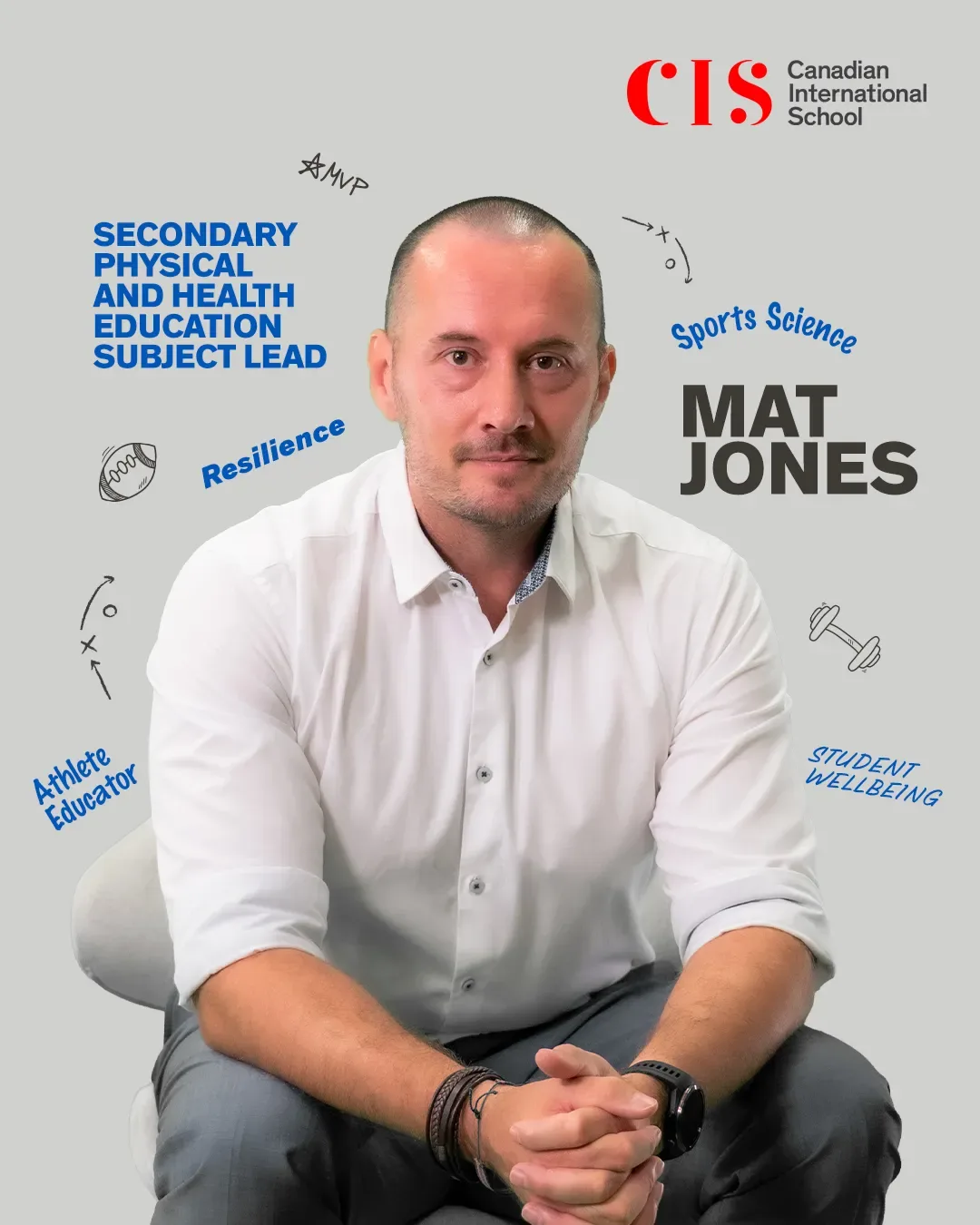
By Mat Jones, Secondary Physical and Health Education Teacher
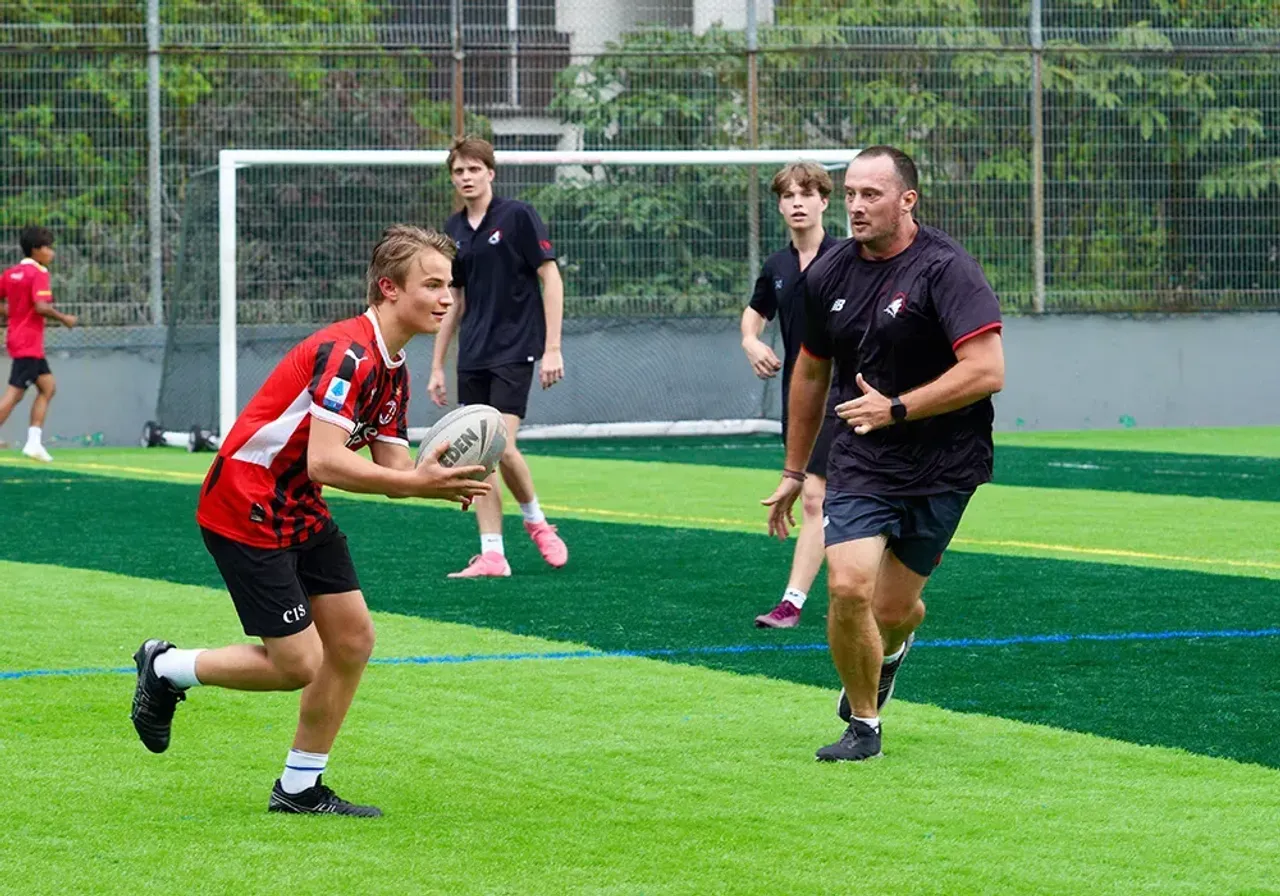
In many Schools, Physical and Health Education still feels pressured to prove its academic value through increasingly complex assessment practices. In doing so, the subject can lose sight of its core purpose: learning through movement.
During a conversation with a colleague about curriculum structures and intended outcomes, he remarked, “If you walk into any badminton lesson, it will look the same regardless of what you are trying to teach.” While intended as a light-hearted observation, the comment prompted deeper reflection not on teaching approaches alone, but on how learning is assessed and valued within Physical and Health Education.
Having worked across a range of international school contexts and curricular frameworks, including the International Middle Years Curriculum (IMYC), Primary Years Programme (PYP), Middle Years Programme (MYP), and concept-based curricula, I have increasingly questioned not what we assess in Physical Education, but whether our assessment practices genuinely align with how students learn best.
I have previously written about the importance of developing student-centred units that are responsive to the unique demographics, interests, and needs of the learners they serve. More recently, my focus has shifted towards how these principles extend into assessment design. Through professional dialogue at job-alike sessions, conferences, and collaborative meetings, I have observed a tendency in some contexts to overcomplicate assessment in Physical and Health Education, often in an effort to mirror or compete with subjects perceived as more academically “valuable.” This approach risks undermining the very essence of our discipline.
At its core, Physical and Health Education should prioritise learning through movement. While cognitive understanding has an important role, students should not be spending disproportionate amounts of time researching how to perform skills they could be learning experientially. High-quality teaching, purposeful practice, and structured inquiry allow students to develop understanding through movement rather than away from it. Effective assessment, therefore, must align with this philosophy.
In my curriculum and programme design, I consistently anchor assessment around three interconnected principles:
- Clear learning outcomes and pathways to success
- Ongoing formative assessment and feedback
- Multiple, authentic assessment opportunities
Clear Learning Outcomes
A well-designed assessment begins with absolute clarity. Students must understand what success looks like and how it can be achieved at different levels. Transparent criteria and student-friendly descriptors allow learners to identify strengths, areas for growth, and realistic personal targets. While not all students will excel physically in every activity, every student should be able to access at least one criterion meaningfully and demonstrate growth within it. When this does not occur, it is often an indication that the unit design rather than the learner requires refinement. In this way, assessment becomes a tool for both student development and curriculum evaluation.
Regular Formative Assessment
Formative assessment need not be complex or time-consuming. In practice, it often takes the form of brief conversations, targeted questioning, short video clips, or immediate verbal feedback. These moments provide powerful insight into student understanding and progress, particularly when learning outcomes are clearly defined from the outset. Confusion typically arises not from the assessment itself, but from a lack of shared understanding around success criteria. When outcomes are explicit, formative assessment becomes a natural and embedded part of the learning process rather than an additional task.
Authentic Assessment in Practice
Authenticity is central to meaningful assessment in Physical Education. Students should be assessed in contexts that reflect how skills, strategies, and interpersonal attributes are used in real sporting and physical activity settings. One example from my recent practice involved the use of microphones and iPads within an invasion games unit. Students were assessed not only on their performance, but also on their ability to coach, communicate, and apply tactical understanding in real time. By designing and delivering strategies to their teams during gameplay, aligned with the MYP framework, students demonstrated understanding in an applied, dynamic context.
These audio recordings were later reviewed by students, who curated highlight reels linked directly to assessment criteria as their summative evidence. Written work was intentionally minimal, yet the depth of learning was evident. Engagement levels were exceptionally high, and post-unit feedback was overwhelmingly positive. Importantly, every student, regardless of physical ability, had a clear role, purpose, and opportunity for success.
A similar approach was adopted within a fitness unit, where students documented their programme design and progress through a “social media-style” fitness vlog. While traditional written submissions remained an option, the majority of students chose the vlog format. This choice not only increased authenticity, but also aligned assessment with contemporary communication methods, making learning more relevant and meaningful. Students spent less time passively working on laptops and more time actively engaging with their learning.
Assessment as a Tool for Learning
Ultimately, effective assessment in Physical and Health Education should be multi-layered, authentic, and intentionally designed to support student growth. When students are provided with clear outcomes, meaningful feedback, and varied ways to demonstrate learning, assessment becomes an enabler rather than a barrier. Well-designed programmes do not seek to justify their value by complexity, but by the depth of learning, engagement, and development they produce.

Secondary Physical and Health Education Teacher
Author biography:
Mat is our Secondary Physical and Health Education Subject Lead from Wales. A former international athlete, he represented Wales in U16 rugby, rugby sevens, and rugby league before moving into education.
With leadership experience in international schools across Singapore, the UK, and China, Mat designs a PHE curriculum grounded in research and his expertise in Physical Education, Sports Science, and Nutrition. His programme helps students build confidence, teamwork, and resilience, while encouraging lifelong healthy habits.

Canadian International School