English Language Learning (ELL) Programme
A clear pathway to English confidence and academic success
At Canadian International School (CIS), we support multilingual students as they develop the English language skills they need to access learning, participate confidently and thrive at school.
Our English Language Learning (ELL) programme provides a structured and supportive pathway for students at different stages of their English journey — from building foundational language skills to developing the academic English needed for independent learning.
With personalised instruction, ongoing assessment and close collaboration between ELL and classroom teachers, students build confidence, communication skills and independence while remaining connected to the wider school community.
Supporting every stage of the English language journey
Every student starts from a different place. Our English language learning pathways are designed to meet students where they are and help them progress at the right pace.
The pathway includes:
Foundation Programme
For students who are new to English and need to build essential language skills and academic vocabulary.
English Language Learning (ELL)
For students who are developing confidence, independence and fluency in English and need targeted language support alongside their mainstream learning.
Transition to independence
For students who are ready to apply their English skills independently and fully access the curriculum.
Students are assessed across four key language domains listening, speaking, reading and writing to help determine the level of support that best meets their needs.
At CIS, progression is not based on a single test score. Teachers consider students' language development, classroom performance, confidence, independence and ability to apply English across different learning contexts.
Primary English Language Learning
Building English confidence from the start
The Primary English Language Learning programme supports multilingual students from SK to Grade 6, helping them participate fully and succeed within the Primary Years Programme (PYP).
At CIS, we believe language is not a separate subject. It is the foundation for learning, communication and connection.
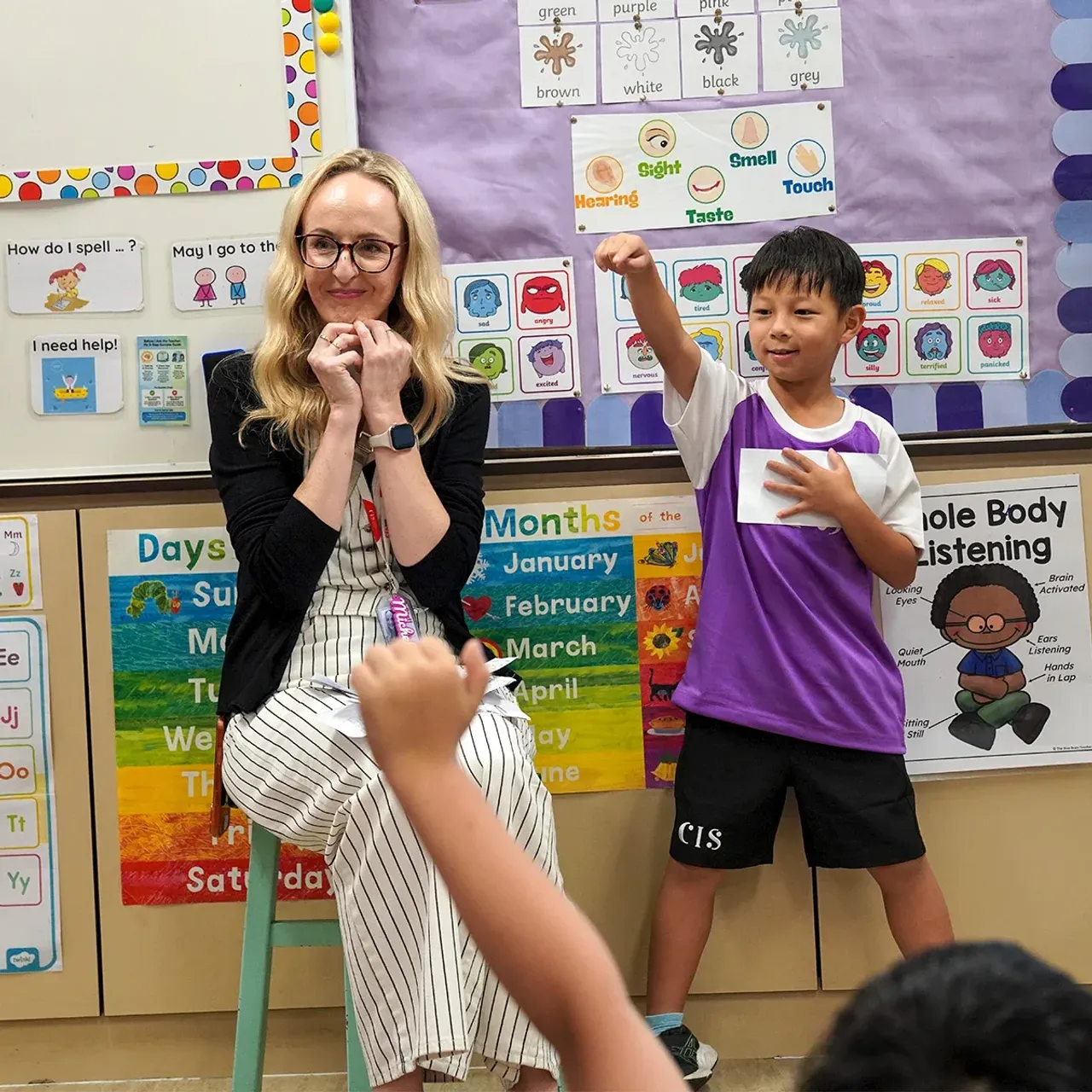
As students develop their English, they gain the confidence to contribute to class discussions, express their ideas, understand academic concepts and build relationships with their peers.
A personalised and differentiated approach
Every student learns differently. Our Primary ELL programme is personalised and differentiated to support students at every stage of their English development while keeping them connected to classroom learning and Units of Inquiry.
Some students focus on foundational language and key vocabulary, while others develop more advanced academic language and learn to apply it across their subjects.
Our approach is guided by three principles:
Engage
Build confidence through meaningful learning experiences.
Access
Participate fully in learning and school life.
Achieve
Grow in English proficiency and academic success.
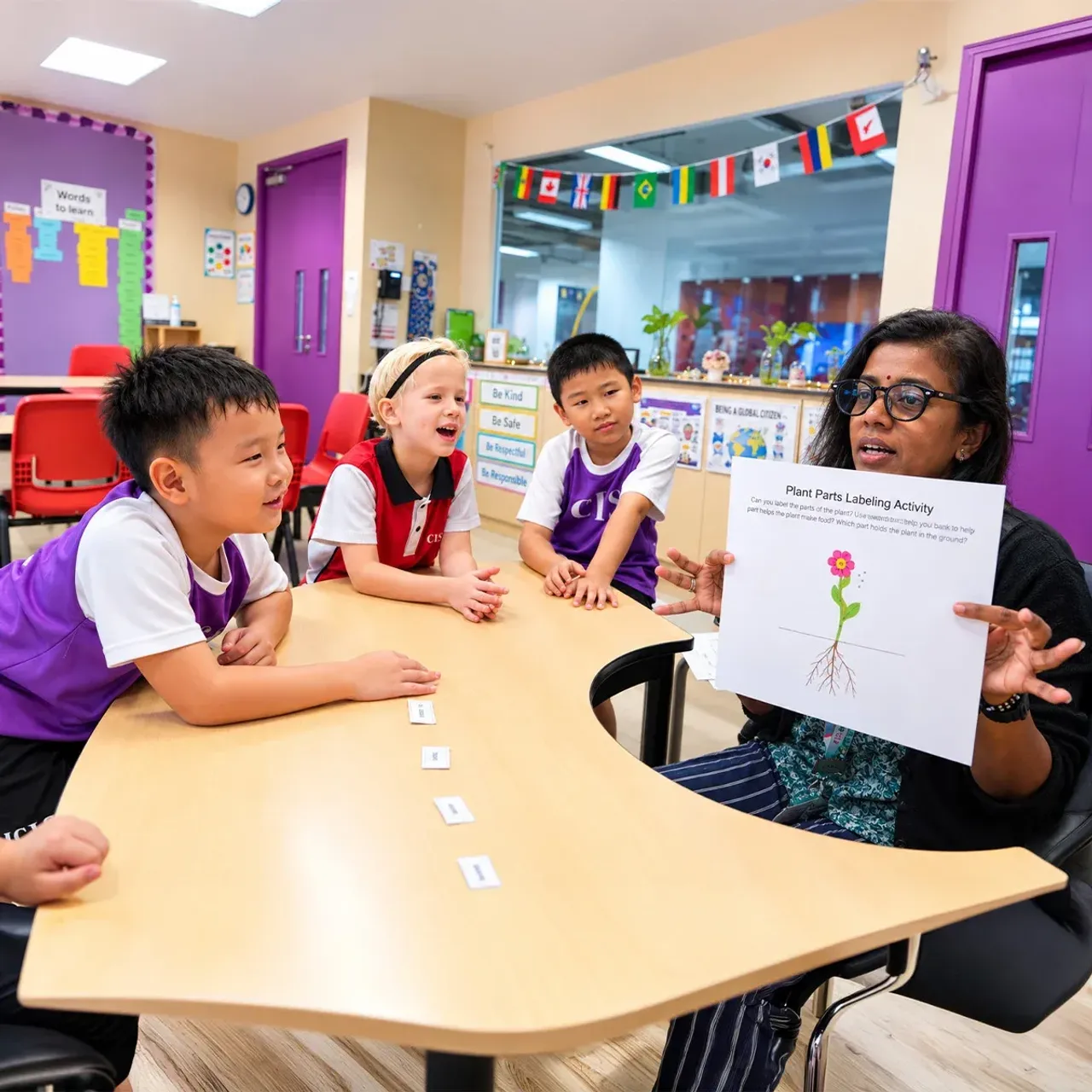
What does a day in Primary ELL look like?
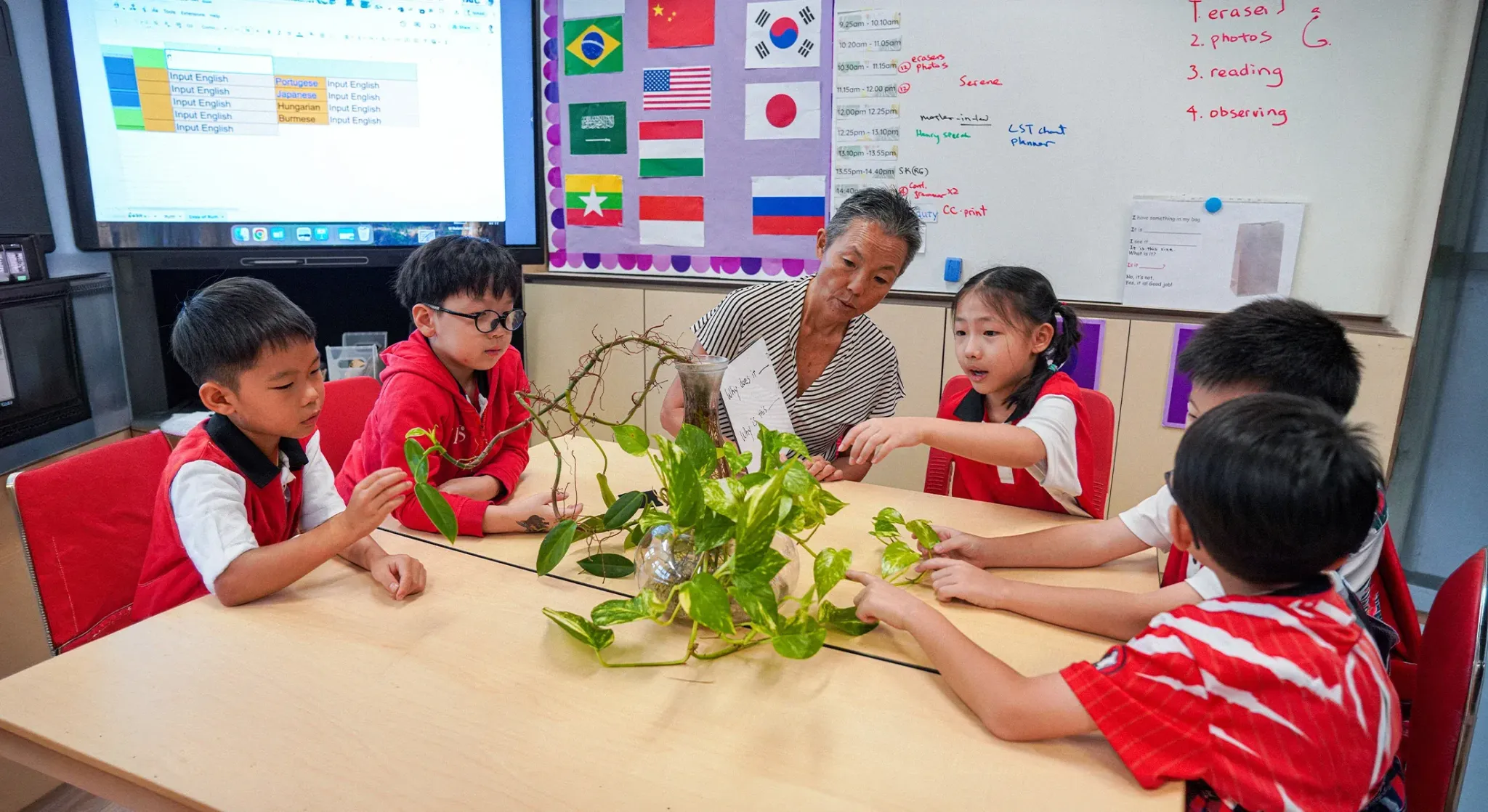
Students continue to learn alongside their classmates while receiving targeted English language support through a combination of homeroom learning, English language instruction, in-class support and small-group learning.
Primary ELL classes typically range from 10 to 18 students, allowing teachers to provide personalised support while encouraging active participation and collaboration.
Students remain connected to their classmates, learning experiences and wider school community throughout the school day.
How is progress measured in Primary ELL?
Progress in Primary ELL is monitored across four key language domains: listening, speaking, reading and writing. These areas are assessed regularly to track each student’s language development and identify areas where additional support or instruction may be needed.
Official WIDA assessments, classroom learning and ongoing formative assessments help teachers understand each student's development.
However, progress is measured by more than test scores. Students also demonstrate readiness through their ability to use English independently, participate confidently in different contexts and work towards meeting grade-level expectations.
The goal is not simply to exit ELL. It is to ensure students are prepared to succeed independently in the classroom and beyond. We want our Primary ELL students to thrive, not simply survive.
Primary ELL student growth
Over the past three academic years:
- 80-85% of students achieve at least one level of English language growth each year.
- More than half of enrolled students successfully transition out of ELL annually.
- On average, students exit the programme in approximately 24 months.
Language development varies from child to child, and there is no fixed timeline for leaving the programme. The priority is ensuring every student develops the language, confidence and independence needed to succeed.
Secondary English Language Learning pathways
A structured pathway towards academic English
For secondary students, CIS provides a structured pathway from foundational English through to academic English support alongside mainstream subjects.
The pathway includes Foundation Programmes for students who need more intensive English development before joining the IB Middle Years Programme (MYP), followed by targeted ELL support for students with intermediate English and above.
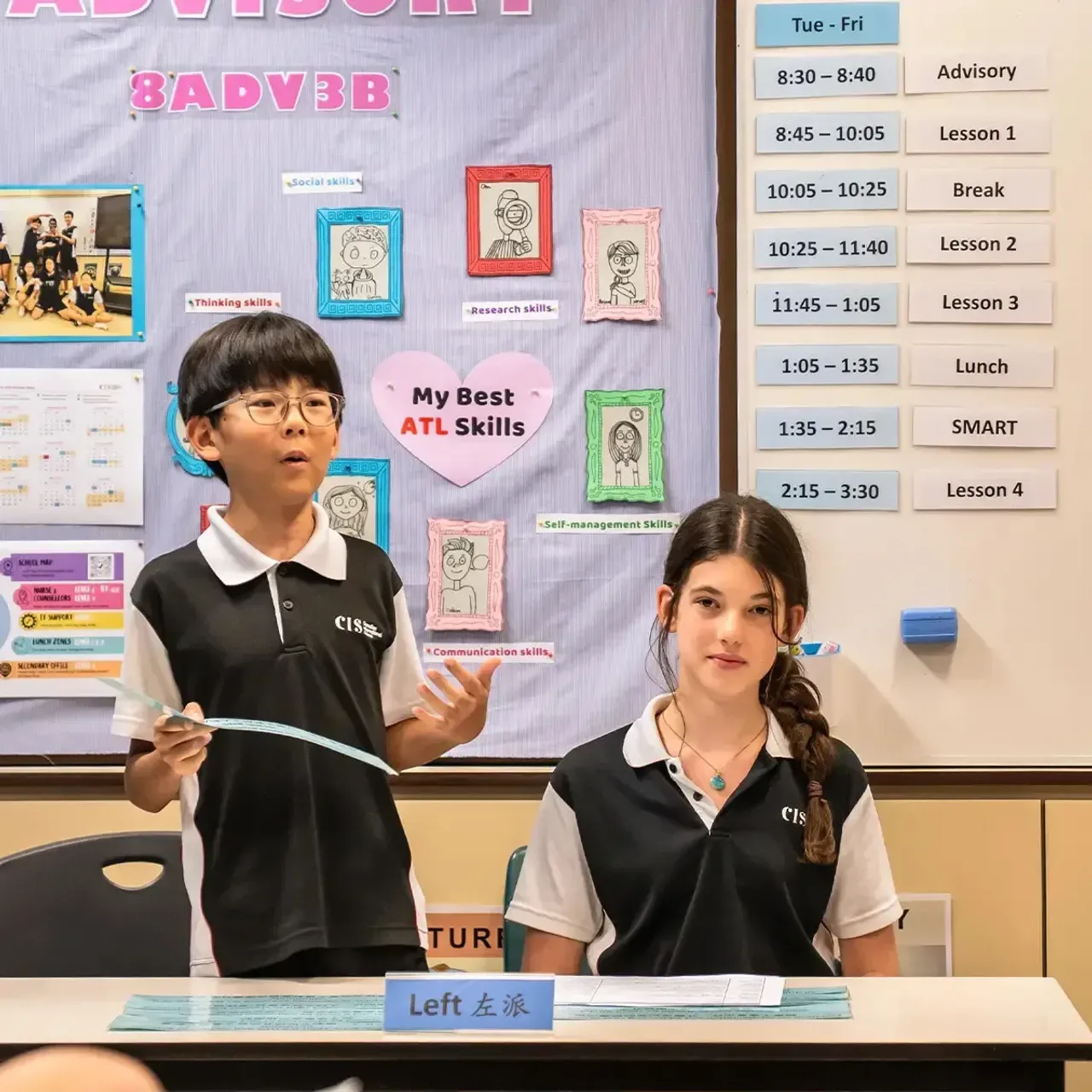
Phase 1 Foundation Programme
For students with minimal English
Phase 1 is designed for Grade 7 age-eligible students with minimal English proficiency.
Students build foundational English skills while progressively developing their understanding of academic subjects.
The programme includes:
- Approximately 50% English language learning lessons
- Mathematics
- Science
- Humanities
- Physical Education
- Academic and subject-specific vocabulary
- A wide range of after-school activities
Students enter through a WIDA assessment interview, and progress is reviewed each semester.
The average duration is one to two semesters.
Students who complete this stage transition into the Phase 2 Foundation Programme.
Phase 2 Foundation Programme
For Grades 7–9 students who need additional English before joining the IB MYP
The Phase 2 Foundation Programme is an intensive English fast-track programme designed to help students rapidly build the language and academic skills required for success in the IB Middle Years Programme.
Students develop English through a scaffolded curriculum connected to MYP core subjects, including:
- English Literature and Language
- Mathematics
- Science
- Individuals & Societies
- Physical Education
Classes usually have around 15 students, with a maximum of 18, allowing specialist teachers to provide focused support to students learning English as an additional language.
Learning combines clear instruction with inquiry-based activities, helping students develop questioning, investigation and connection-making skills that support success in the IB.
More than half of students graduate from the programme after their first semester, while 98.5% successfully transition into the full IB programme by the end of the academic year.
English Language Learning support
For students with intermediate English and above Secondary ELL support is available for Grades 7–10.
Students participate in mainstream classes while receiving targeted English language support. The focus is on developing advanced academic language and communication skills so students can access the curriculum confidently and succeed in their learning.
Support includes:
- Ongoing English language support alongside academic subjects
- Development of academic language and communication skills
- WIDA assessment and monitoring
- Continuous evaluation and adjustments to support
- Preparation for success in the MYP and beyond
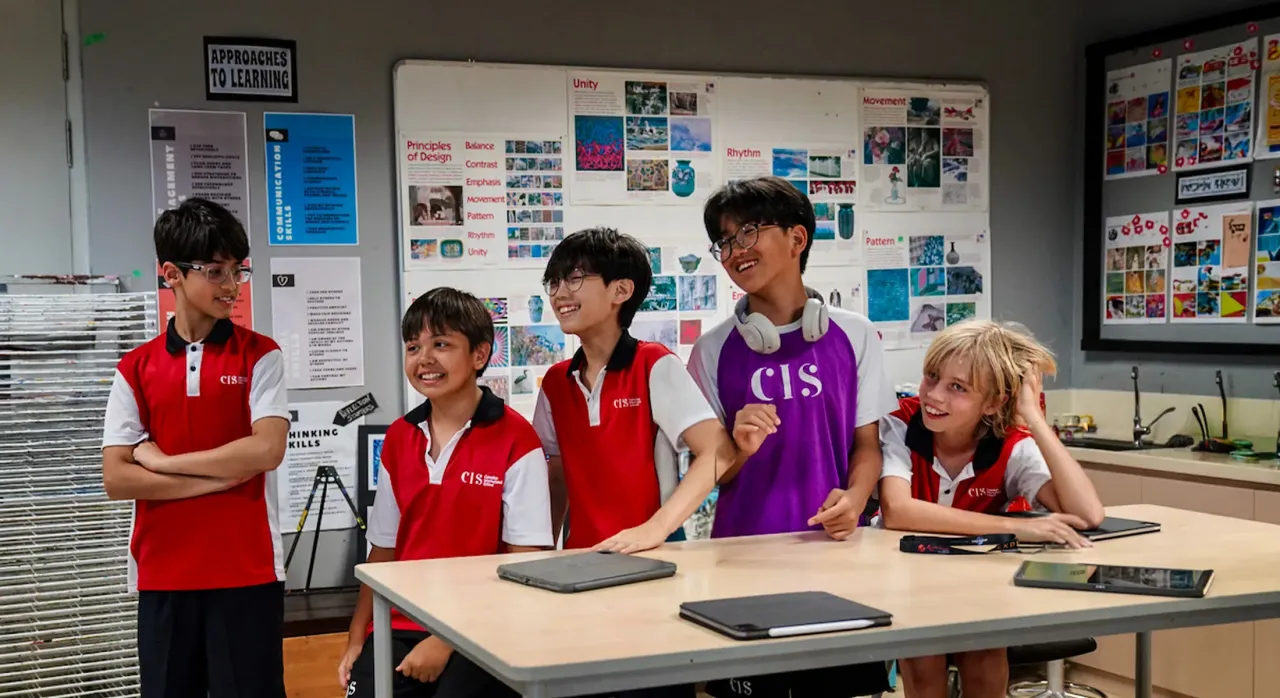
Why choose CIS for English Language Learning?

Fast-track English & Academic Readiness:
An intensive course helping Grades 7–9 students rapidly build the language and study skills to succeed in the IB MYP.

Proven Success:
More than half our students graduate after just one semester, 98.5% successfully transitioning into the full IB programme by the end of the year.

CLIL Teaching Approach:
Small classes (max 18) taught by specialist teachers who integrate English learning into every subject — English, Maths, Science, I&S, and PE.

Full School Experience:
Foundation students join all whole-school clubs, CCAs, and assemblies — building friendships across grades and practising English in real contexts.

Personalised, Supportive Learning:
Individual goals, continuous progress tracking, and a balance of academic challenge, confidence-building, and global citizenship development.
Frequently Asked Questions
Will my child keep up academically while learning English?
Yes. Language support at CIS is designed to enable, not delay learning. Students continue to engage with the full curriculum, developing knowledge, skills and understanding alongside their peers, with the support needed to access it confidently.
Will English support take time away from core subjects?
No. English language support is thoughtfully integrated into the school day. Students receive dedicated instruction while remaining fully engaged in Mathematics, Science, Humanities and other core areas of learning.
How is my child’s English level determined?
Students complete a WIDA assessment twice a year at the end of each semester. This provides a comprehensive picture of their proficiency across speaking, listening, reading and writing. This allows us to place each child in the environment where they will feel both supported and appropriately challenged.
How long will my child remain in the programme?
Language development is a highly individual process. Progression is guided by readiness, confidence and independence and not a fixed timeline. Our focus is on ensuring each student is fully prepared for success.
Will my child feel confident and included?
Yes. Students learn alongside peers with similar language proficiency, creating a supportive and inclusive environment. This shared experience helps build confidence, encourages participation and fosters a strong sense of belonging.
How are subjects like Mathematics supported?
All subjects are taught using language-aware approaches. Teachers use visual modelling, clear explanations and structured scaffolding to ensure students can fully understand concepts and engage meaningfully in their learning.
What happens when my child is ready to transition out of ELL?
The transition is gradual and carefully managed at the end of a semester. Students move forward when they are consistently able to apply their language skills independently across subjects and contexts.
Will my child be able to participate fully in school life?
Absolutely. Students are active members of the school community from the outset, with full access to extracurricular activities, enrichment opportunities and the wider life of the school.
How does CIS assess English proficiency?
CIS uses the WIDA assessment framework to understand students' English proficiency.
WIDA measures language development across four key areas:
- Speaking
- Writing
- Reading
- Listening
The assessment helps teachers understand each student's strengths and areas for development and supports appropriate placement.
For Foundation and ELL programmes, WIDA results are considered alongside interviews, classroom performance and other evidence of readiness. A WIDA score is not used in isolation when determining progression.

Canadian International School